
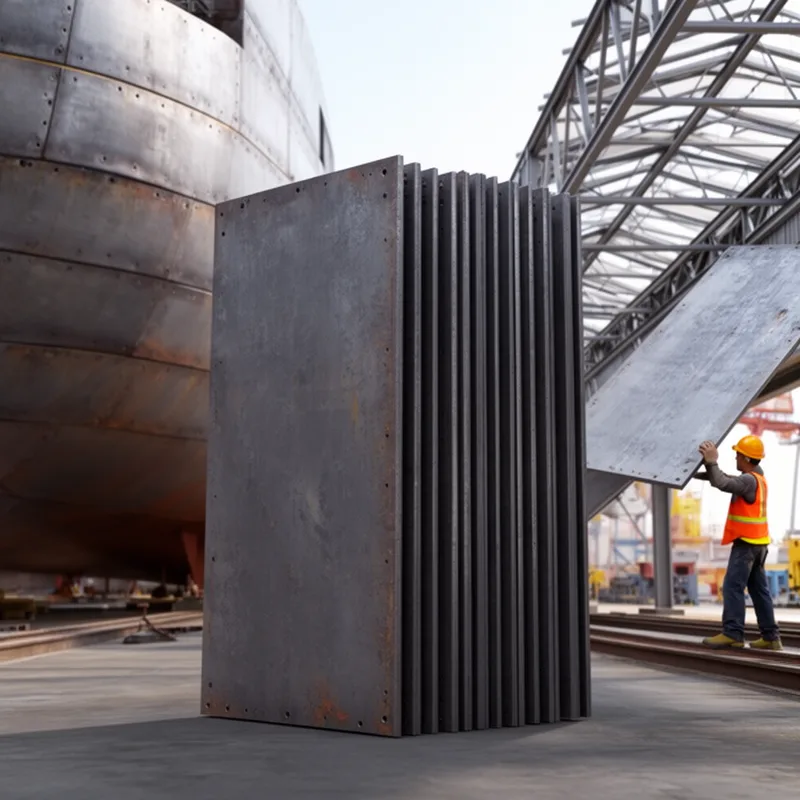
plate iron
- noun
- The bridge was constructed using thick plate iron for added strength.
Examples
-
Replacement of the old roof required several sheets of plate iron.
-
Early steamships relied on plate iron to reinforce their hulls.
-
The contractor ordered several sheets of plate iron for the new building.
-
We need to buy plate iron for the construction project.
-
The contractor ordered several sheets of plate iron for the new building.
-
Early steamships relied on plate iron to reinforce their hulls.
-
The bridge was constructed using thick plate iron for added strength.
Synonyms
 5
3.0
5
3.0

A flat piece of steel used to make or strengthen buildings and machines

A thin flat metal made by rolling or hammering used for roofs and building parts

A strong metal plate used to make tanks and other containers

A thin sheet of metal used to make stovepipes and small chimneys
How Thick

Surface Forms
Morphology
The meaning 'iron rolled or forged into flat plates' is directly and compositionally derived from 'plate' (a flat sheet) modifying 'iron' (the metal), i.e. iron in plate/sheet form. This is a regular noun–noun compound pattern found across languages, so a B1 learner who knows both constituents would readily infer the intended meaning.
Etymology
Plate iron comes from the simple idea of plate (a flat piece) and iron (the metal); imagine a blacksmith hammering or rolling metal into wide, flat sheets. That's why the term means 'iron made into flat sheets' used for building and strong parts of ships and bridges.