
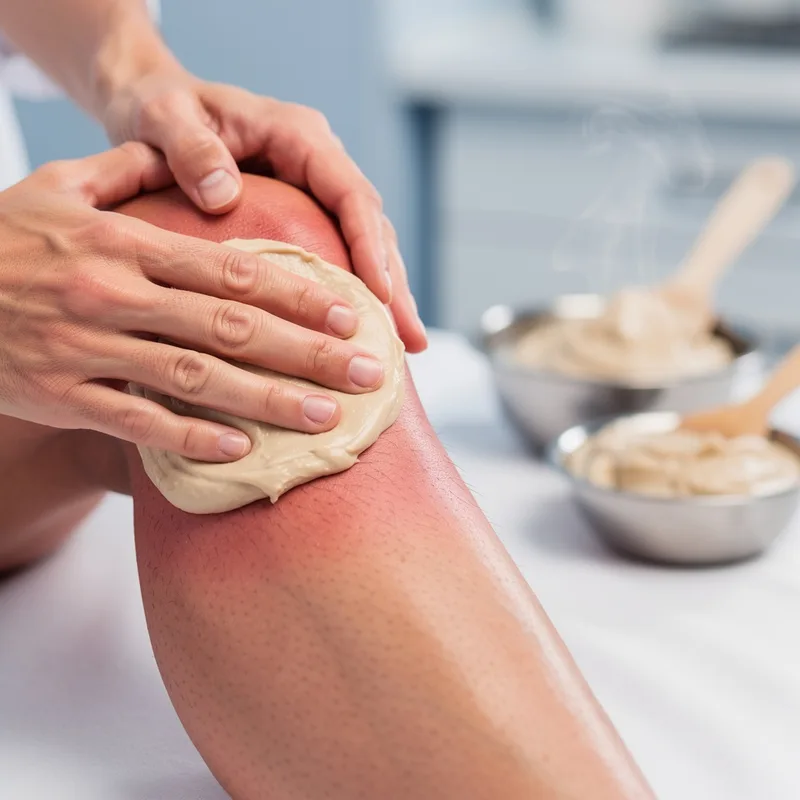
plaster
 3
6.5
3
6.5

- noun
- /ˈplæstər/
- Archaic
- The students were eager to create plaster masks.
- mustard plaster
- birch-leaf plaster
Examples
-
For example, it was thought by some that if lodestone were ground into a plaster and applied to the head, it would cure headaches.
Academic text (1991) -
This is so that when we wrap the plaster on you, it doesn't stick directly to your skin.
-
For one thing, the plaster became terribly hot and uncomfortable.
Academic text (1991) -
During the night, Woo woke Ross three times, twice for the medication and once to change the mustard plaster.
Fiction book (1994) -
Other healers employed breast milk in salves and plasters.
Academic text (1994) -
The mustard plaster was applied to the patient's sore muscles to reduce inflammation.
-
She used a healing plaster of mustard and flour to ease the pain from her injuries.
-
After preparing the natural plaster, he spread it on cheesecloth to treat the inflammation.
Synonyms
 8
8.4
8
8.4
A soft warm mass of herbs or flour applied to the skin to reduce pain and swelling
 1
9.3
1
9.3
A cloth spread with mustard powder that you put on the skin to make it warm

 1
9.9
1
9.9
A soft warm paste put on the skin to reduce pain or swelling
Compounds

- Specialized
3
3.1
A hard shell of plaster that keeps a broken bone still while it heals

- Specialized
1
4.1
A white powder that you mix with water to make a hard object for casts and sculptures
- Archaic
1
9.3
A cloth spread with mustard powder that you put on the skin to make it warm

- Archaic
1
7.2
Thin wooden strips covered with plaster for inside walls and ceilings

- Specialized
1
3.5
A cloth strip with a wet white paste that becomes hard to hold a broken bone still


Surface Forms
Etymology
Plaster comes from an old Greek word emplastron meaning 'something spread on'. In the past this word also named a hot or soft mixture put on cloth and then applied to the skin, which is why a medical poultice is called a 'plaster'.