
plantigrade
- adjective
- /ˈplæntɪˌɡreɪd/
- Specialized
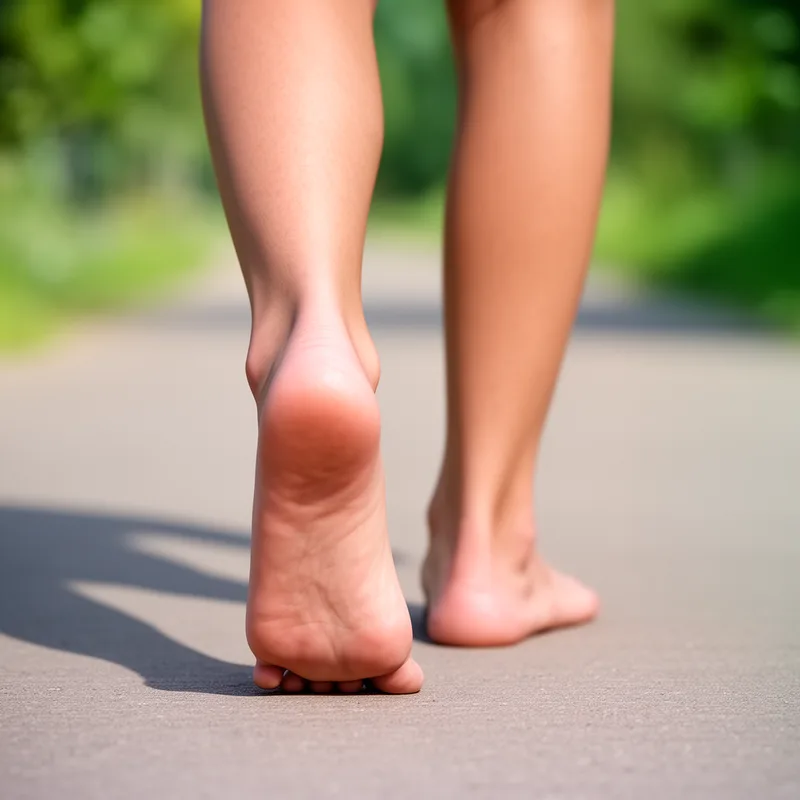
- Humans are considered plantigrade animals.
Examples
-
The evolutionary advantages of a plantigrade gait include greater stability and endurance.
-
Bears are also plantigrade mammals.
-
Bears are plantigrade animals, walking on the full length of their feet.
-
Humans, unlike cats and dogs, have a plantigrade stance when moving.
-
Humans and bears are both plantigrade mammals because they walk with their entire foot touching the ground.
-
Unlike cats and dogs, which are digitigrade, a panda's plantigrade stance helps it to move more steadily.
-
The ability of a sloth to walk in a plantigrade manner allows it to adapt to a tree-dwelling life.
Antonyms

Compounds

- Specialized
A mammal that walks with the whole bottom of its foot on the ground
How Flat-Footed
- Specialized

- Specialized
Surface Forms
Morphology
Etymology
Plantigrade comes from the Latin parts planta ('sole of the foot') and gradus ('step'). Think of the phrase 'to plant your feet' — a plantigrade animal puts the whole sole of its foot on the ground when it walks, which gives it extra stability.

