
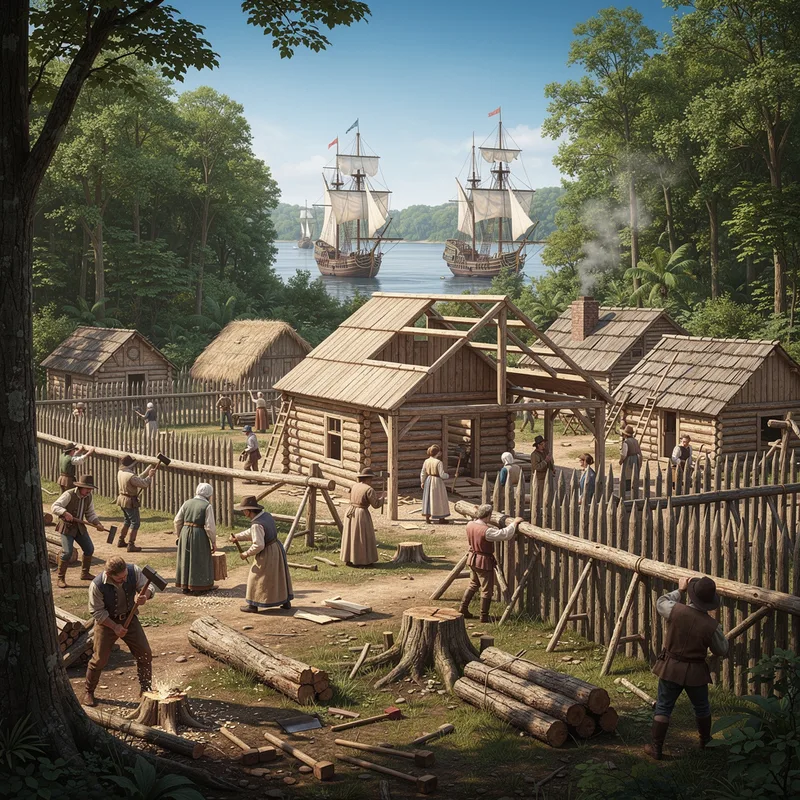
plantation
 17
8.2
17
8.2

- noun
- /plænˈteɪʃən/
- Archaic
- Over time, the plantation became an effective social institution for managing free labor.
- plantation colony
- plantation owner
- slaves on the plantation
Examples
-
In practice, then, plantations were local governments below the county level where black residents were governed despotically.
Academic text (2017) -
Just over the line into North Carolina was Caledonia Plantation, testifying to the vogue of romantic Scottishness.
Academic text (2003) -
The most basic time cycle in the plantation colonies was from Sunday to Sunday.
Academic text (2007) -
Juba is a social dance that started on the plantation.
-
A plantation town; folks also describe La'ie as a plantation town, although it was a Polynesian village.
Academic text (2008) -
When these pictures were taken, both worked at Plimoth Plantation, a "living museum" of 17th-century Plymouth, Massachusetts.
Fiction book (2000) -
Eula had never mentioned what the book described: the abandoned plantation house, the family graveyard under a huge sycamore.
Fiction book (2000) -
A strategy of plantation established a new dominant class of Protestant settlers loyal to the English crown - most significantly in Ulster, in Ireland's North.
-
In the 18th century, many Europeans migrated to North America to settle on large plantations where tobacco was cultivated.
-
The historical records reveal that the early settlers established a network of plantations to exploit the fertile land.
Synonyms
 90
3.3
90
3.3
A group of people from one country who live together in another country and keep ties home
Compounds


A horse bred for a smooth, fast running walk that is comfortable for long rides
How Established

Surface Forms
Morphology
Etymology
The word plantation comes from the Latin verb plantare and the English word plant, both meaning 'to plant' or 'put in place'. A helpful image is 'planting' people: settlers were put down in a new land, so plantation came to mean a newly made colony or settlement.