
plagioclastic
- adjective
- /ˌplædʒiəˈklæstɪk/
- Specialized
- Plagioclastic textures are often seen in volcanic rocks formed from rapidly cooled magma.
Examples
-
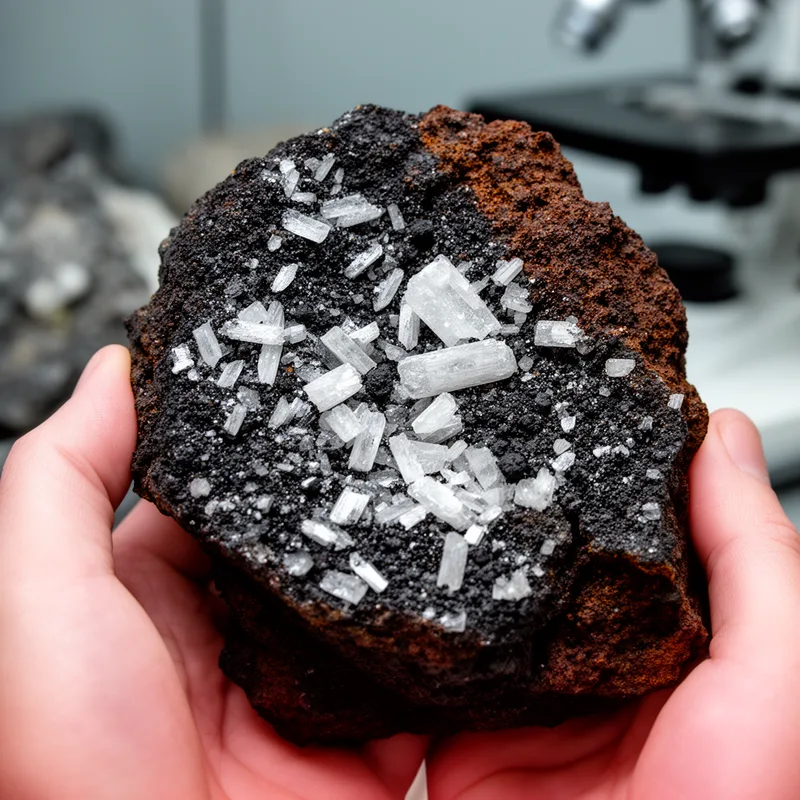
Can you identify the plagioclastic minerals in this sample?
-
The granite contains a significant amount of plagioclastic material.
-
Scientists examined the plagioclastic composition to determine the rock's formation history.
-
The plagioclastic rocks in this region are fascinating.
-
The geologist noted that the plagioclastic texture in the rock indicated a volcanic origin.
-
In this study, we focused on the plagioclastic minerals to understand how the terrain was formed.
-
During the field trip, we observed plagioclastic formations that showcased the area's geological history.
Surface Forms
Morphology
plagioclastic = plagioclase (transparent) = plagioclase + ic
Formed by adding the standard adjectival suffix '-ic' to 'plagioclase', meaning 'relating to plagioclase'.
Etymology
Plagioclastic comes from Greek parts plagio- meaning 'slanting' and -clastic meaning 'broken', and the -clastic part is the same idea as in iconoclastic. It describes plagioclase minerals that break in a slanted way, so it means 'relating to plagioclase'.

