
placebo
- noun
- /pləˈsiːboʊ/
- Archaic
 :
vísperas
:
vísperas
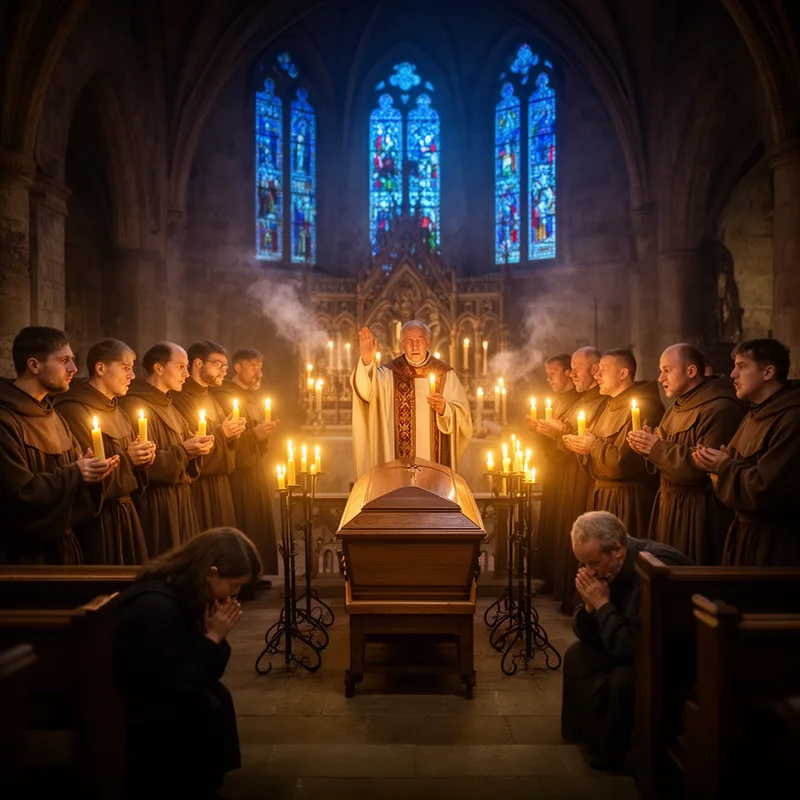
- In the Roman Catholic tradition, the vespers service for the dead is called the placebo.
Examples
-
During the funeral, they included a placebo in the service.
-
The word placebo originates from Latin, meaning 'I shall please,' and was used in liturgical contexts.
-
In medieval times, monks would chant the placebo for the souls of the departed.
-
The placebo was an important part of Catholic funeral rites centuries ago.
-
The family attended the placebo at the church on the eve of All Souls' Day.
-
The priest conducted the placebo for the deceased.
-
During the memorial service, the priest led the congregation in the placebo, honoring those who had passed.
Synonyms

 3
9.7
3
9.7

An evening prayer service in many Christian churches, often on Sundays
 2
9.9
2
9.9
An evening church service with prayer and singing
Compounds

- Specialized
11
4.4
A health improvement that happens when a person believes a fake treatment will help them

- Specialized
A fake treatment that causes side effects like a real drug to keep people in the trial unaware
Surface Forms
Etymology
Placebo was once the name of a church service or song for the dead because it came from the Latin placere, meaning 'to please', and the opening words meant 'I shall please'. This old church use is the origin of the word and helps explain why 'placebo' later came to mean something meant to 'please' rather than to heal.