
physoclistous


 1
9.9
- adjective
- /ˌfaɪsəˈklɪstəs/
- Specialized
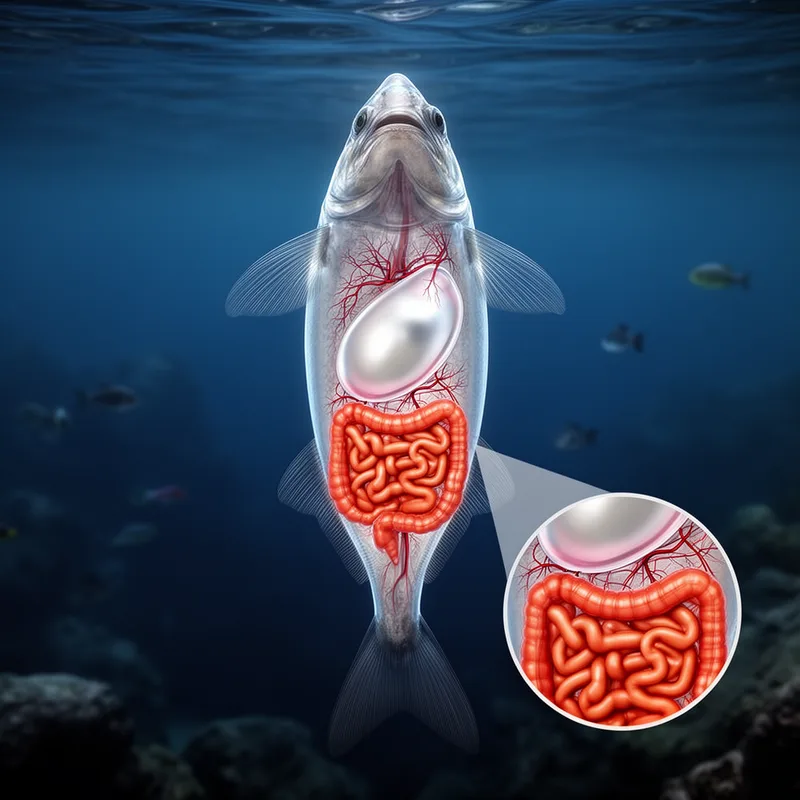
- Physoclistous fish can adapt to changes in pressure since their swim bladders are not connected to the gut.
Examples
-
Many deep-sea species are physoclistous, allowing them to maintain buoyancy despite large depth changes.
-
This method afforded a unique opportunity to acoustically tag deepwater, physoclistous fish without the need to alter the fish's original swim bladder volume and without the high risk of further injury associated with surface handling.
Academic text (1992) -
The problems are more serious for fish caught at greater depths, especially for physoclistous fishes with closed swim bladders.
Academic text (1992) -
In physoclistous fish, the swim bladder's closed structure helps prevent barotrauma during rapid ascents.
Surface Forms
Morphology
physoclistous = physoclist (opaque) = physo + clist + ous
The word is a technical scientific formation from specialized combining forms unfamiliar to average learners; knowing common English vocabulary would not allow a B1 learner to infer the meaning.
Etymology
Physoclistous comes from Greek parts physo- meaning 'bladder' or 'air bubble' and -clistous meaning 'closed', like the English word 'close'. So a physoclistous fish has a 'closed' swim bladder that is not connected to the gut, which helps explain the modern meaning.