
photorespiration


 1
9.9
- noun
- /ˌfoʊtoʊˌrɛspəˈreɪʃən/
- Specialized
Examples
-
For example, watch the first 60 seconds of a video on photorespiration from the Khan Academy, but as you do, put yourself in the shoes of a student with SLD in an area related to reading or language processing.
Academic text (2013) -
Part of the CO2 fixed into carbohydrate is reoxidized back to CO2 via photorespiration, a process suppressed by CO2 itself.
Academic text (1994) -
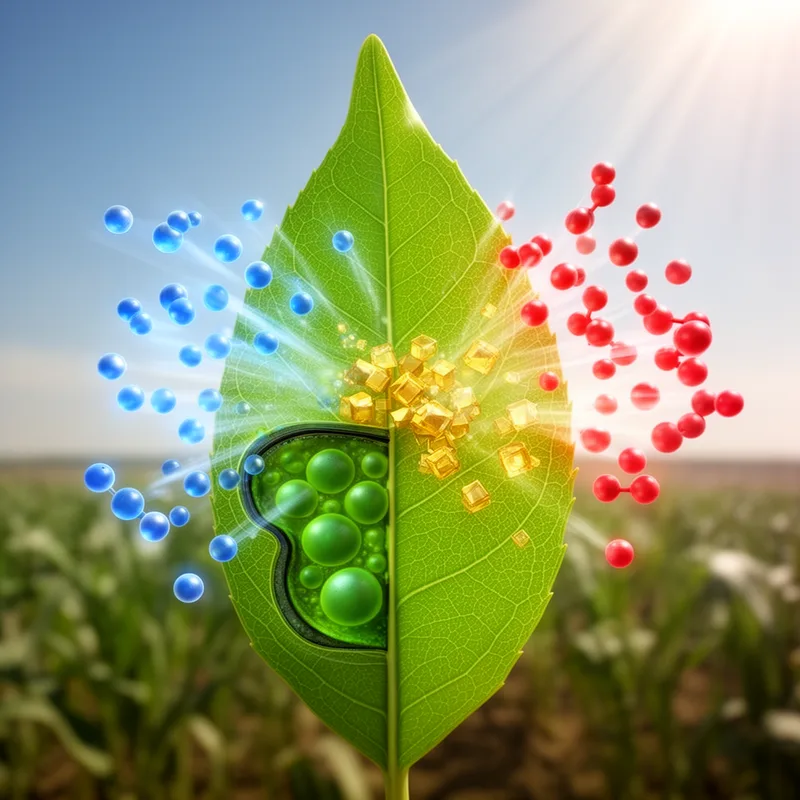
In plants, photorespiration reduces the efficiency of photosynthesis by taking in oxygen and releasing carbon dioxide.
-
During photorespiration, plants consume oxygen and emit carbon dioxide, which can hinder their growth.
-
Scientists study photorespiration to understand how it affects the overall efficiency of plant photosynthesis.
Surface Forms
Morphology
photorespiration = respiration (semi-transparent) = photo + respire + ation
The word is built by adding photo- to respiration, but the exact biological process is specialized rather than fully predictable from the parts.
Etymology
The word photorespiration comes from photo- meaning 'light' and respiration meaning 'breathing'. So photorespiration is like 'light breathing' in plants: in the light they take in oxygen and give out carbon dioxide, which reduces the sugar they make.