
photoreceptive


 1
7.7
1
7.7
- adjective
- /ˌfoʊtəˈrɛsɪptɪv/
- Specialized
- A centralized pacemaker is most likely necessary in mammals because the retina is the only known way that light reaches the molecular clock. "In almost every case where you can identify a pacemaker tissue, that tissue is either photoreceptive itself or receives direct photoreceptive input," says Cassone.
Examples
-
A centralized pacemaker is most likely necessary in mammals because the retina is the only known way that light reaches the molecular clock. "In almost every case where you can identify a pacemaker tissue, that tissue is either photoreceptive itself or receives direct photoreceptive input," says Cassone.
Academic text (2005) -
And so you've got photoreceptive organisms you put in the brain or proteins.
-
And so you've got photoreceptive organisms you put in the brain or, or proteins.
-
Mammals are unique in this respect; birds, reptiles, amphibians, fish, and insects all have photoreceptive cells outside of their eyes.
Academic text (2005) -
OK, so the retina, the retina has a bunch of cells that are photoreceptive cells that can be classified into two types, rods and cones, right.
-
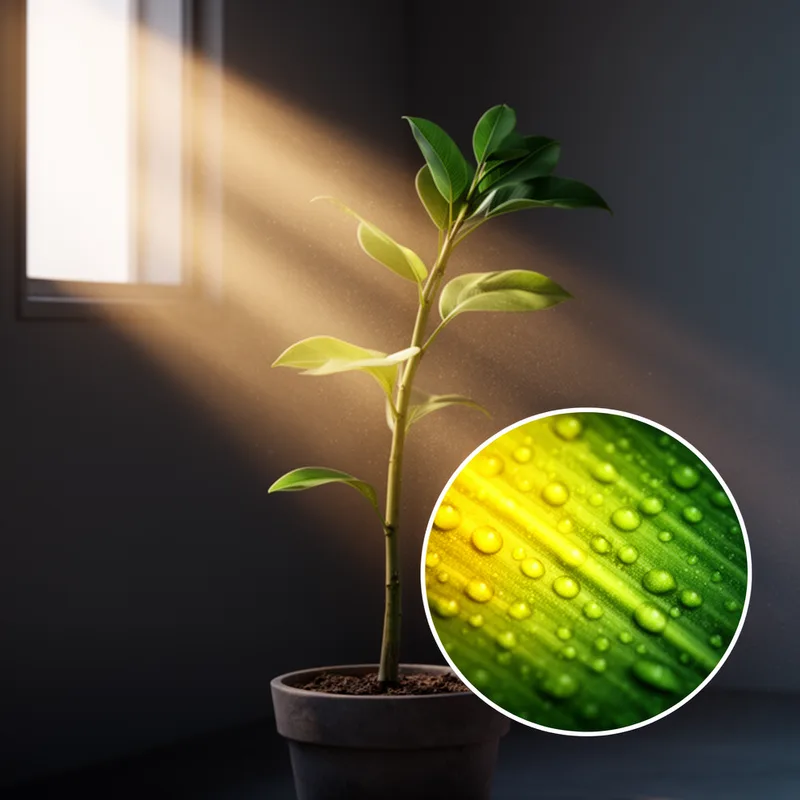
Certain species of plants have photoreceptive cells that allow them to adjust their growth toward sunlight.
-
The eyes of some insects contain specialized photoreceptive structures that help them navigate their environment.
-
Photoreceptive proteins in the retina convert light into signals that the brain interprets as images.
Synonyms
 3
4.9
3
4.9
Something that changes when light hits it
 2
7.2
2
7.2
React strongly to light, often changing color or breaking down
How Light-Sensitive
2
7.2

- Specialized
1
7.7
Surface Forms
Morphology
photoreceptive = receptive (semi-transparent) = photo + recept + ive
The word is built by adding photo- to receptive, but the scientific meaning 'responsive to light' is somewhat specialized.
Etymology
Photoreceptive is made of photo- meaning 'light', as in photograph and photosynthesis, and receptive, which is like receive meaning 'to take in'. So photoreceptive describes cells or devices that can 'take in' or respond to light.