
phonography
- noun
- /fəˈnɒɡrəfi/
- Archaic
- The Muslim jurisprudents, with their heated discussions about all aspects of the recording of sound—of music in general and the phonography of the Quran in particular—have now fallen silent.
Examples
-
As a 50s teenager just getting into phonography, Larry Basch thought that LIFE photojournalists had the most glamorous job in the world, an opinion he has never quite outgrown.
Academic text (1994) -
The invention of phonography allowed people to record music and spoken words for the first time.
-
There is no discussion as to the permissibility of phonography.
Academic text (2018) -
From the moment phonography was invented by Thomas A. Edison in 1877, and certainly after the numerous technical perfections of the ensuing years, the phonograph became a much-valued instrument, as well as a toy, that quickly found its way around the world.
Academic text (2018) -
Many historians credit Thomas Edison with the invention of phonography, revolutionizing the way we record sound.
-
Thanks to advances in phonography, we can now listen to recordings from over a century ago.
Synonyms

 150
2.1
150
2.1

Capturing sound or pictures so they can be played later
 2
4.2
2
4.2
A recording of sound or moving images, for example a concert

A sound or video copy made of an event
Surface Forms
Morphology
phonography = phon + graphy
The meaning extends the literal 'sound writing' idea to sound recording, so the connection is clear but specialized.
Etymology
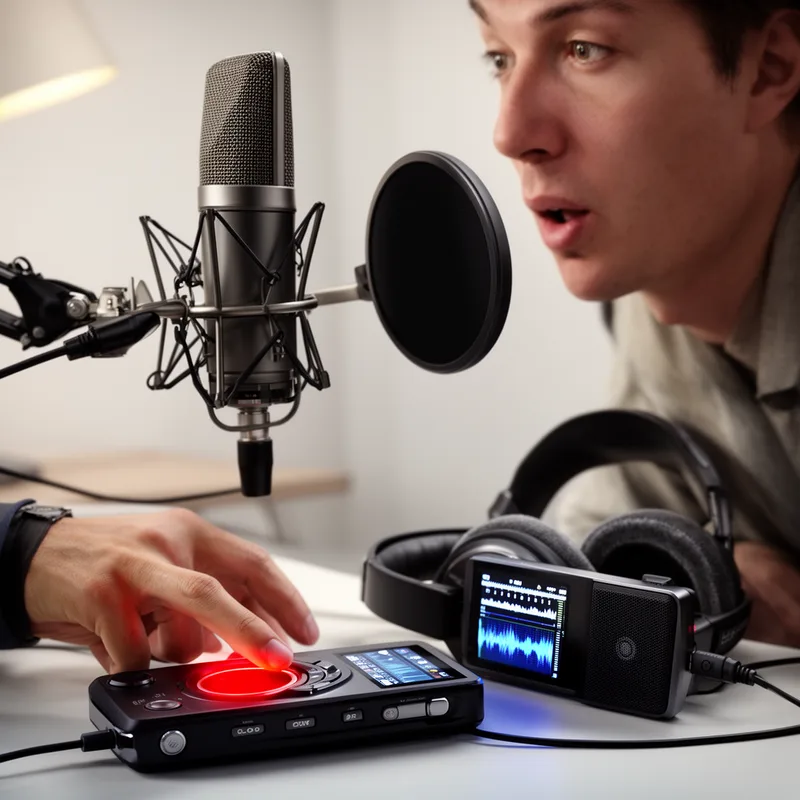
Phonography is built from phon- 'sound' and -graphy 'writing', so it can be read as 'writing sound'. This picture helps explain why the word was also used for the art of recording sound with a phonograph or similar device.