
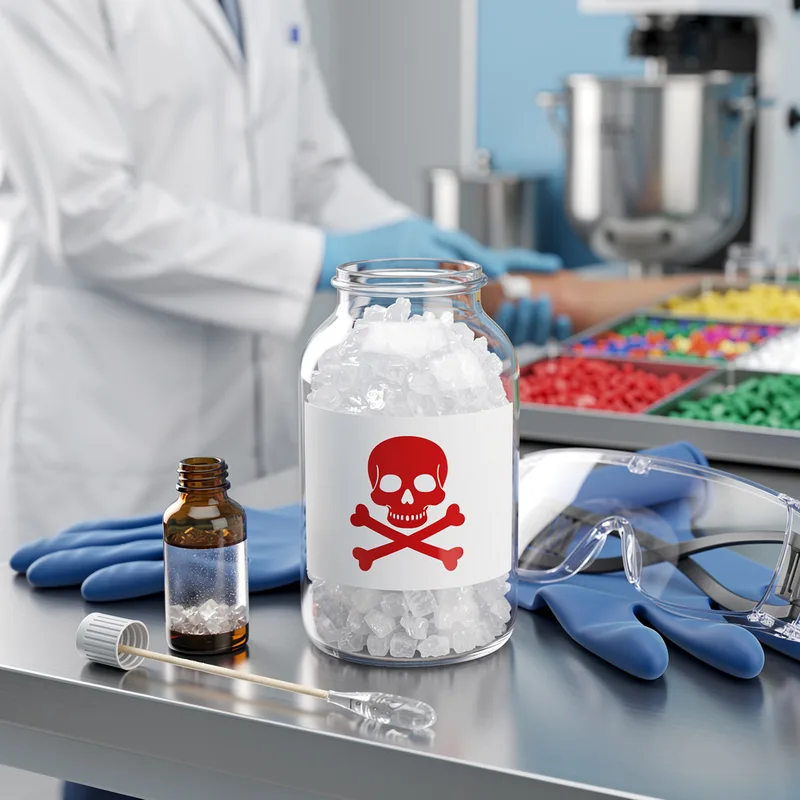
phenol
 2
8.9
2
8.9

- noun
- /ˈfiːnɒl/
- Specialized
- The addition of activated sludge enhanced the bio-oxidation and removal of phenol from wastewater.
- phenol removal
- phenol wastewater
- removal efficiency of phenol
Examples
-
The sandy loam did not reduce much of the phenol, even with the addition of activated sludge.
Academic text (1993) -
Silty loam and silty-clay loam were quite effective in phenol reduction with activated sludge addition.
Academic text (1993) -
After the treatment, a complete phenol removal could be expected.
Academic text (1993) -
The synthetic phenol wastewater was prepared from phenol and tap water.
Academic text (1993) -
Sandy loam had the worst performance in removing phenol from the wastewater.
Academic text (1993) -
Measurements of TOC indicate the relative level of phenol in the wastewater.
Academic text (1993) -
The TOC concentration reflected the phenol content in the wastewater.
Academic text (1993) -
Land treatment with bioaugmentation is an inexpensive way to remove phenol from phenol-containing wastewater.
Academic text (1993) -
Baekeland built a pressure vessel in which he was heating a mixture of phenol (C6H5OH) and formaldehyde (CH2O).
Academic text (2007) -
The doctor used a phenol solution to disinfect the surgical area before the operation.
Synonyms


 1
8.0
1
8.0
A toxic chemical used to kill germs and to make other chemicals, also called phenol

A toxic white chemical used to make plastics and to kill germs

A white poisonous chemical used in factories and to kill germs

A white poisonous chemical that kills germs and helps make plastics and medicines and is harmful if swallowed
Compounds


- Specialized
A poisonous chemical used as a disinfectant and made from coal or wood tar
Surface Forms
Morphology
phenol = phenyl (opaque) = phen + ol
The combining form 'phen-' is not a standalone English word and '-ol' is a technical chemical suffix, so the form and meaning are not obvious to an average B1 learner.
Etymology
The word phenol was once called 'carbolic acid' because it was first found in coal tar, and its modern name joins phen- (the benzene 'ring' part) with -ol meaning 'alcohol'. So the name helps you remember that phenol comes from a carbon ring and acts like a type of alcohol, which explains its use as a disinfectant.