
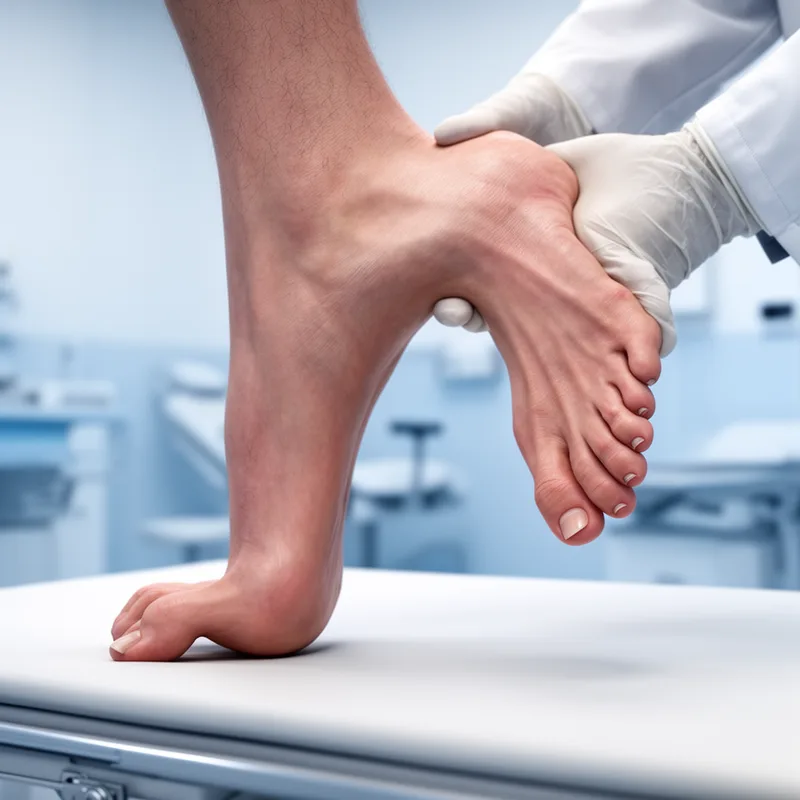
pes cavus
- noun
- /pɛs ˈkeɪvəs/
- Specialized
- The physician examined the patient's foot and diagnosed pes cavus based on the unusually high arch.
Examples
-
People with pes cavus may experience pain and difficulty finding comfortable shoes.
-
Treatment options for pes cavus include physical therapy, orthotics, or in severe cases, surgery.
-
The doctor diagnosed her with pes cavus.
-
Many athletes suffer from pes cavus due to their training.
-
The physician examined the patient's foot and diagnosed pes cavus based on the unusually high arch.
-
People with pes cavus may experience pain and difficulty finding comfortable shoes.
-
Treatment options for pes cavus include physical therapy, orthotics, or in severe cases, surgery.
Synonyms
 1
9.9
1
9.9

A foot with a very high arch and toes that bend down like a claw
Antonyms
- Specialized
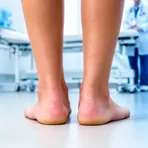
A condition where the foot's arch is very low so the whole sole touches the ground
How Arched

Surface Forms
Morphology
pes + cavus
This is a Latin medical term rather than a compositional English phrase: 'pes' (foot) is not a common English word and 'cavus' is obscure/missing from the learner's dictionary, so a B1 learner knowing ordinary English vocabulary would not be able to derive the technical meaning. Because the constituents are non‑transparent and specialized (and one is undefined here), the sense 'high-arched/claw-like foot' is not predictable from the parts.
Etymology
Pes cavus comes from old Latin words: pes meaning 'foot' and cavus meaning 'hollow', so it paints the picture of a hollow, high-arched foot. That's why pes cavus today means 'a foot with a very high arch'.