
personhood
 3
8.0
3
8.0

- noun
- /ˈpɜrsənhʊd/
- Formal
- Dissenting opinions in Citizens United and Hobby Lobby dealt with the issue of corporate personhood at much greater length than the majority opinions.
- corporate personhood
- view of personhood
Loading YouTube…
Watch on YouTubeLike trying to use a fake fake personhood proof you?
- Like trying to use a fake fake personhood proof you?
Examples
-
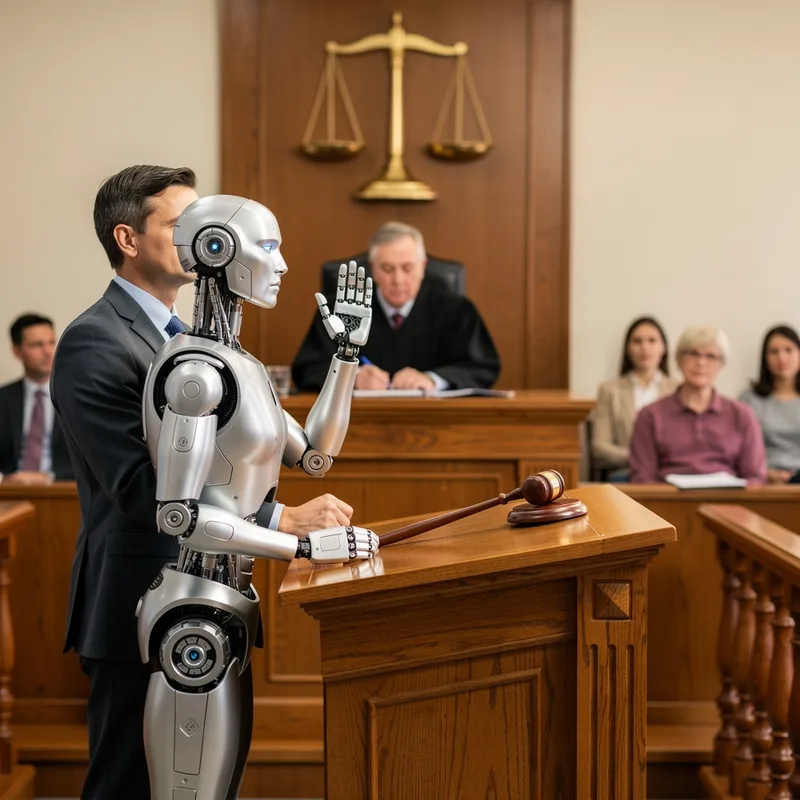
Do you imagine a situation which AI created entities have the same rights of personhood that corporations have?
-
The film "The Corporation" has a great section on how corporations won "personhood status."
Blog text (13) -
The idea of corporate personhood in US law goes back almost 200 years.
Blog text (10) -
But they do say you cannot recognize legal personhood in artificial intelligence.
-
Once we're uploaded as digital entities, I think all bets about how personhood works get called into question.
Blog text (15) -
The primary drivers behind this were that before corporate personhood, the corporation itself could neither sue nor be sued.
Blog text (10) -
So last year, last March, the New Zealand, New Zealand Parliament, for instance, granted a personhood to a river, the Wanganui River.
-
The debate over personhood of artificial intelligence raises important legal and ethical questions.
-
Some countries are considering legislation to grant personhood to sentient robots.
-
The discussion surrounding personhood of nonhuman entities often challenges traditional views of legal rights.
How Recognized

Surface Forms
Morphology
Etymology
Personhood comes from person plus -hood, and -hood means 'state' as in childhood. So when people talk about giving a robot or a program personhood, they mean giving it the 'state of being a person', such as rights or responsibilities, which is why the word is about identity and legal or moral status.