
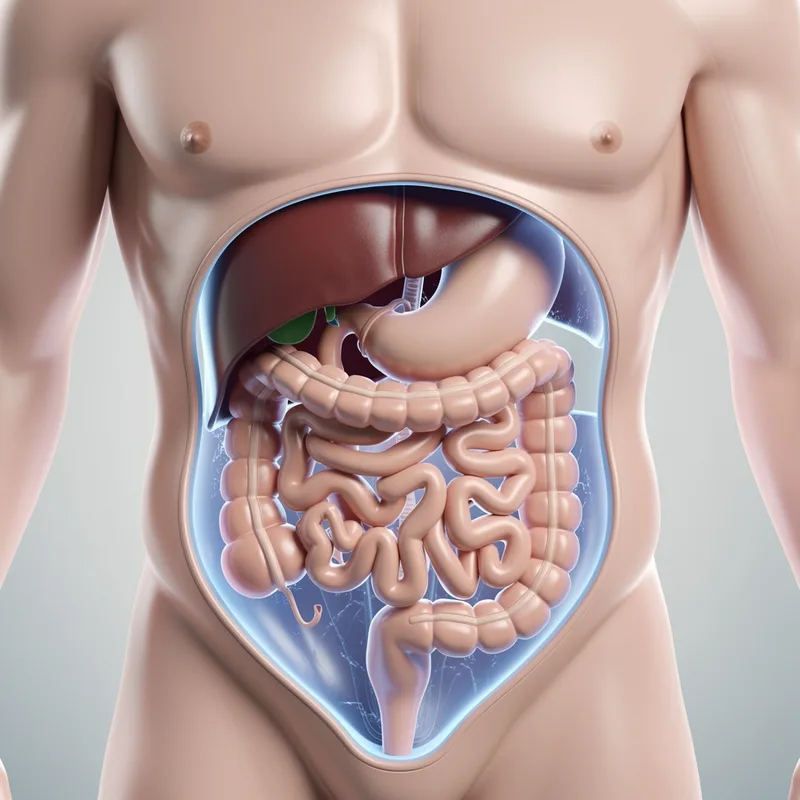
peritoneal cavity
 1
8.6
1
8.6

- noun
- /ˌpɛrəˈtiːniəl ˈkævɪti/
- Specialized
- The small amount of lubricating fluid in the peritoneal cavity helps to reduce friction between the abdominal organs.
- peritoneal cavity and liver
Examples
-
Following ingestion, the larvae excrete and progress through the gut wall into the peritoneal cavity toward the liver.
Academic text (2007) -
His peritoneal cavity was full of blood.
Fiction book (1993) -
We implant it in the peritoneal cavity.
-
They can cause mechanical damage and inflammation in the liver, pancreas, and peritoneal cavity.
Academic text (2015) -
Some of the contents of the uterus could have been introduced through that perforation into the peritoneal cavity—the abdomen, okay?
Fiction book (1992) -
During the surgery, the doctor carefully examined the peritoneal cavity for any signs of infection.
-
An ultrasound revealed fluid accumulation in the peritoneal cavity, which required immediate medical attention.
Synonyms
The main space inside the belly around the stomach and intestines
Surface Forms
Morphology
The meaning is directly derivable from 'peritoneal' (relating to the peritoneum/abdominal membrane) + 'cavity' (a hollow or space), so a learner who knows both words can infer it refers to a hollow space associated with the peritoneum. This follows a common adjective+noun anatomy pattern found across languages, making the term compositionally transparent even if it is technical.
Etymology
The term peritoneal cavity names a small 'space' inside the belly between two thin linings called the peritoneum, and the word cavity simply means a hollow or 'space'. Think of it like a folded bag with a little slippery fluid so the organs can 'move' easily; that's why it means 'the small space in the abdomen that contains a little fluid to help organs move'.