
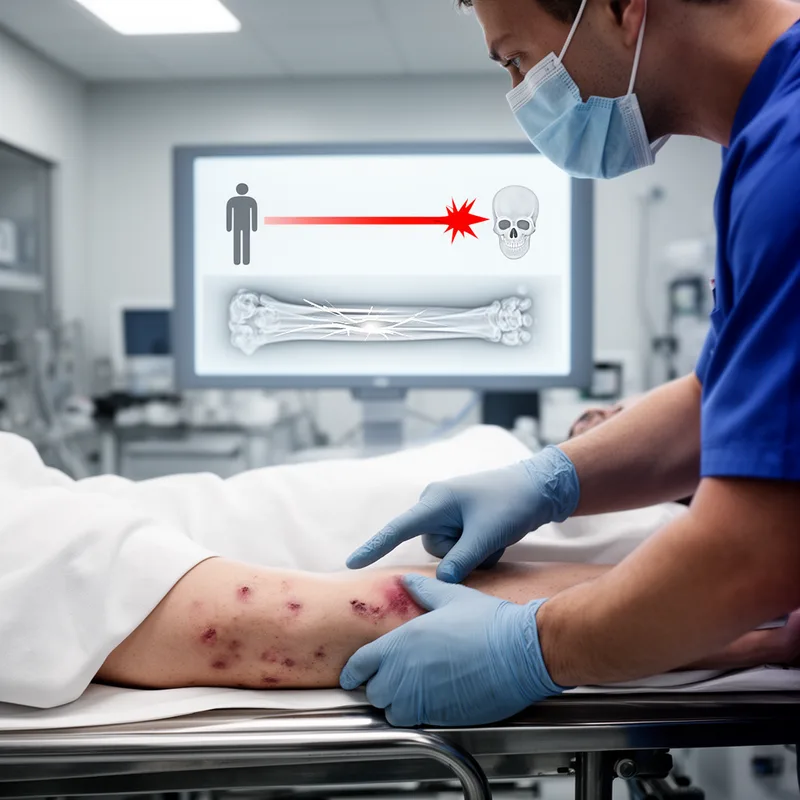
perimortem
- adjective
- /ˌpɛrɪˈmɔrtɛm/
- Specialized
- The bone fractures were classified as perimortem rather than postmortem.
Examples
-
Determining whether wounds are perimortem can help establish the timeline of an incident.
-
The perimortem changes in the body can provide valuable forensic information.
-
The forensic pathologist identified several perimortem injuries on the victim's body.
-
During the perimortem phase, the body undergoes significant physiological changes.
-
The forensic pathologist identified several perimortem injuries on the victim's body.
-
Determining whether wounds are perimortem can help establish the timeline of an incident.
-
The bone fractures were classified as perimortem rather than postmortem.
Surface Forms
Morphology
perimortem = mortem (semi-transparent) = peri + mortem
Formally built from the combining prefix 'peri-' (around) + 'mortem' (death); the composition is clear to readers familiar with medical/forensic terminology but the bound technical elements may be unfamiliar to average learners.
Etymology
Perimortem comes from peri- meaning 'around', like in perimeter, and mortem meaning 'death', like in mortality, so it literally means 'around death'. That's why perimortem is used for injuries or events that happen at or near the time of death.

