
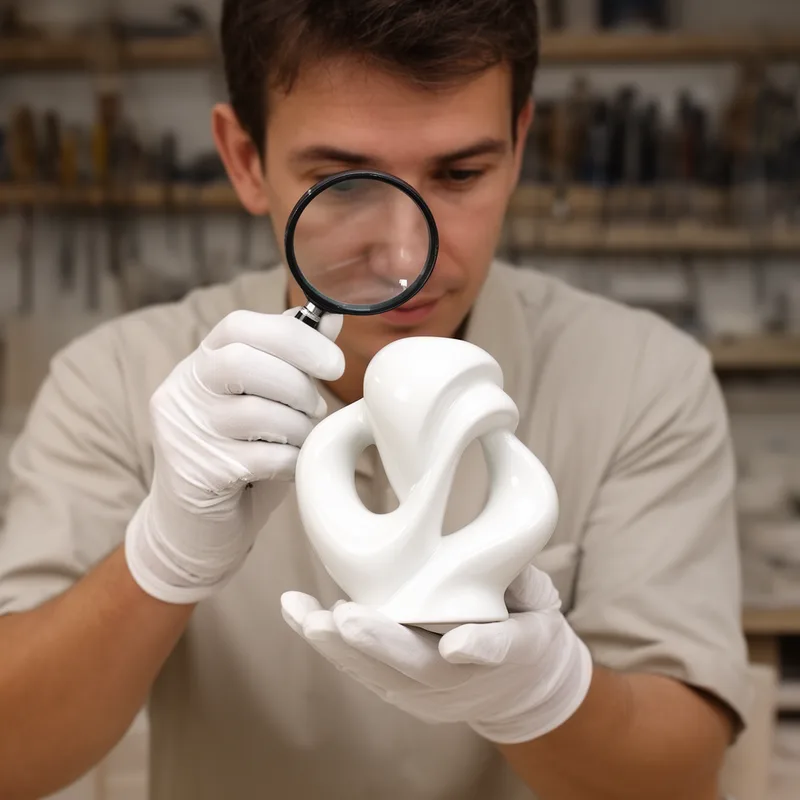
perfectivity
- noun
- /pərˈfɛktɪvɪti/
- Formal
- The artist's work strives for perfectivity, aiming to eliminate every possible flaw.
Examples
-
The concept of perfectivity is essential in many philosophical discussions.
-
Some believe that technological progress brings us closer to perfectivity in society.
-
The philosopher discussed the concept of perfectivity in relation to human nature.
-
The perfectivity of her work was evident in the final product.
-
The philosopher discussed the concept of perfectivity in relation to human nature.
-
Some believe that technological progress brings us closer to perfectivity in society.
-
The artist's work strives for perfectivity, aiming to eliminate every possible flaw.
Synonyms

 97
3.7
97
3.7

A thing that has no mistakes and shows the best quality
 32
6.5
32
6.5
All the parts of something considered together
 11
4.1
11
4.1
A complete account that covers all main parts
 7
4.2
7
4.2
The state of having everything needed
 5
3.9
5
3.9
A feeling of being complete and not missing anything in life
 1
7.5
1
7.5
The state of being complete and having no limits


 1
5.4
1
5.4
A state of having no mistakes or problems

A state when something has no mistakes or faults

A state of being perfect or the best possible

A state that is complete and leaves no doubt

The final, most extreme level of something
A state of being whole and complete

A belief that one idea includes everything
Antonyms


How Perfect

Surface Forms
Morphology
perfectivity = perfective (semi-transparent) = perfect + ive + ity
Morphologically formed from 'perfective' + -ity, but this philosophical sense overlaps with the more usual noun 'perfection', so learners may not reliably infer this specialized use from the parts alone.
Etymology
The word perfectivity comes from perfect ('complete' or 'without fault') and the ending -ity ('the state of'). So it describes the 'state of' being perfect or complete in a formal or philosophical sense.