
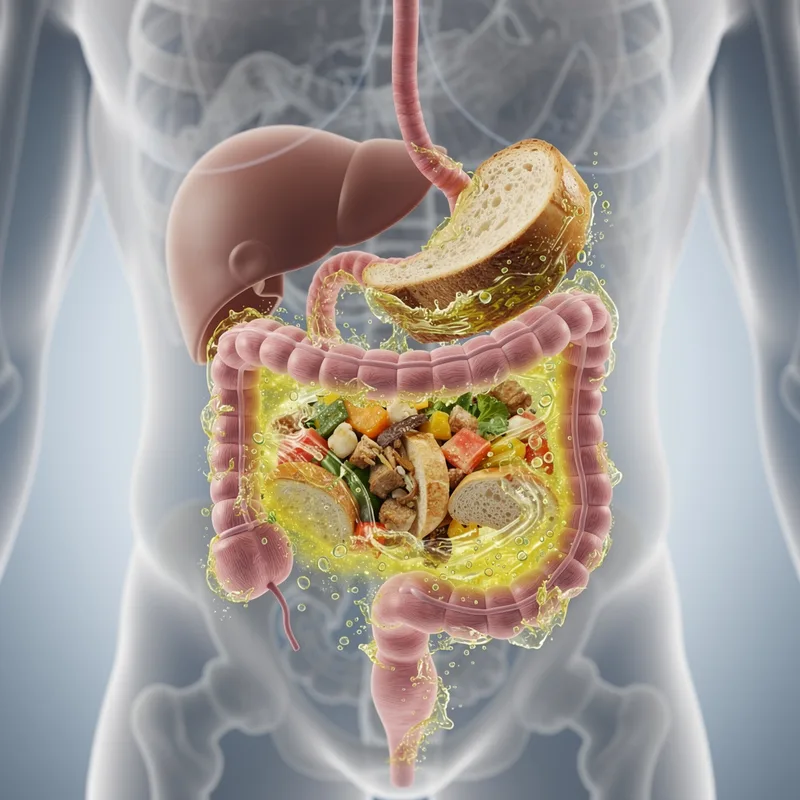
peptic
 1
6.8
1
6.8

- adjective
- /ˈpɛptɪk/
- Specialized
- Compared with the esophagus, the larynx is exquisitely sensitive to peptic injury.
- peptic ulcer
Examples
-
The situation was so excruciating that the stalwart Greta began to suffer what she designated as tummyaches, but which were, in fact, the pains of peptic ulcers.
Fiction book (1996) -
Approximately 25 million Americans suffer from peptic ulcer disease at some point in their lifetime.
Academic text (2005) -
However, a therapeutic and prevention strategy for such peptic ulcers has not yet been established.
Blog text (15) -
This organism has been recently identified as the culprit of peptic ulcers.
Academic text (2005) -
Misoprostol is an orally active prostaglandin (15-S-15-methyl-PGE2 methyl ester) marketed for the treatment of peptic ulcer.
Academic text (1992) -
Doctors often recommend a diet rich in fiber to promote peptic health and aid digestion.
-
Many patients with peptic disorders benefit from medications that reduce stomach acidity.
-
Maintaining a balanced diet can reduce the risk of developing peptic complications.
Synonyms
 50
3.9
50
3.9
Relating to the body process that breaks food in the stomach and intestines
Compounds

- Specialized
3
3.7
A sore on the inside of the stomach or upper small intestine caused by stomach acid
- Specialized
An ulcer in the stomach or top part of the gut caused by stomach acid
How Digestible

Surface Forms
Morphology
peptic = pept + ic
The adjective is formed from the combining form 'pept-' + suffix '-ic', but 'pept-' is not a productive standalone English word, so learners cannot reliably infer 'relating to digestion' from familiar English bases.
Etymology
The word peptic comes from an old Greek root pept- that means 'to digest', so peptic describes things that help or belong to digestion, like the enzyme pepsin or a 'peptic ulcer' in the stomach.