
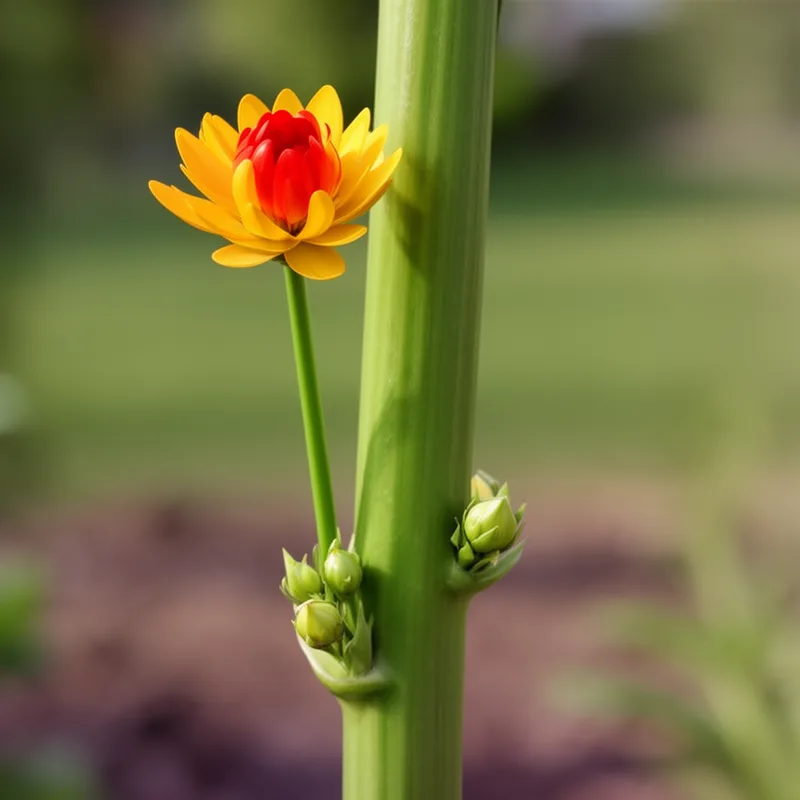
pedunculate
- adjective
- /pɪˈdʌŋkjʊlɪt/
- Specialized
- Many oak trees in Europe are called pedunculate oaks due to their long stalks on the acorns.
Examples
-
The pedunculate flower stood out from the stem, unlike the sessile ones next to it.
-
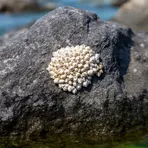
Certain barnacles are pedunculate, meaning they attach to surfaces by a stalk.
-
The pedunculate flowers of the plant attract many bees.
-
Some species of oak trees are pedunculate.
-
Many oak trees in Europe are called pedunculate oaks due to their long stalks on the acorns.
-
The pedunculate flower stood out from the stem, unlike the sessile ones next to it.
-
Certain barnacles are pedunculate, meaning they attach to surfaces by a stalk.
Synonyms

A part that grows on a thin stem, like a flower or barnacle
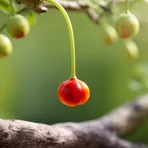
Attached to a thin stalk
Antonyms


Compounds

Surface Forms
Morphology
Etymology
The word pedunculate comes from peduncle, where the part ped- means 'foot', as in pedal, and the whole idea is a 'little foot'. Think of a flower's stalk as a tiny 'foot' holding it up, so pedunculate means 'having a stalk'.