
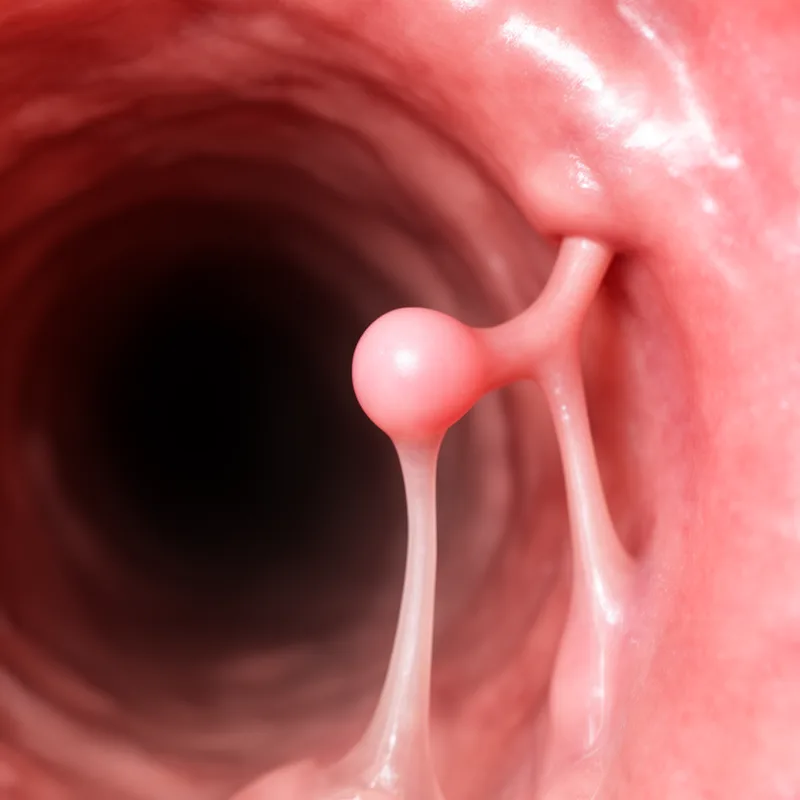
peduncle
- noun
- /pɪˈdʌŋkəl/
- Specialized
- The swimming cell, breaking out from the cyst, grows a projection called a peduncle from its lower surface.
Examples
-
It rapidly increases its swimming velocity to reach flecks of sloughed tissue from dying fish; however, it uses its peduncle to attach to and digest the tissue debris.
Academic text (1995) -
Flecks of tissue, sloughed off from the fish, then attach to the peduncle and get digested.
Academic text (1995) -
The octopus used its peduncle to securely attach itself to the rocky bottom of the ocean.
-
In marine biology, the peduncle helps connect the anemone to the coral it inhabits.
-
The researcher studied the peduncle of the jellyfish to understand how it propels itself through the water.
Synonyms


 1
8.8
1
8.8
A small stem that connects one body part to another, often in bones or organs
Compounds

- Specialized
A bundle of nerve fibers on each brainstem side that links the brain and spinal cord
Surface Forms
Etymology
Peduncle comes from the Latin word pedunculus, which means 'little foot' and uses the root ped- 'foot', the same root as pedal. So in anatomy a peduncle is a small 'foot' or stalk that joins a polyp or tissue to its main body.