

pease
 1
9.9
1
9.9

- noun
- /piːz/
- Archaic
- In March or April, one might have 'a dish of pease,' but otherwise, potatoes were the sole representative of the vegetable world.
Loading YouTube…
Watch on YouTubeFrom that moment on, we was like peas and carrots.
- From that moment on, we was like peas and carrots.
Examples
-
In the old village, they often enjoyed a hearty bowl of pease soup during the cold winters.
-
When I type "pease" for the ditty "Pease Porridge Hot," spellchecker suggests please, peace, tease, lease, and steel-cut oats.
Blog text (15) -
Pease, give me just a moment.
-
Our special this afternoon is a porridge made from pease meal; and you can have that hot or already congealed.
Fiction book (1999) -
PEP/Pease limitations: Restored.
Blog text (1) -
He says "pease" and "shamp pyou" when we prompt him, which is extra amazing since please and thank you don't exist in the Luganda language.
Blog text (28) -
thy rich leas of wheat, rye, barley, vetches, oats, and pease;
-
(15.) Jigg's Dinner is a traditional Newfoundland Sunday food, including boiled salty beef, cabbages, carrots, pease pudding, etc.
Academic text (2018) -
Historically, the term pease referred to what we now simply call peas, commonly used in many recipes.
-
The children sat down to a simple meal of freshly made pease and bread, reminiscent of older times.
Synonyms
 89
1.0
89
1.0
A small round green seed that you eat as a vegetable
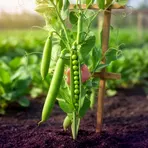
A garden plant that grows small round green vegetables often eaten fresh
Compounds

Surface Forms
Etymology
Pease was the old name for the little round vegetable now called 'peas'. People thought the final -s made it a plural, so they later made the shorter word pea for one item, which is why we now say 'pea' and 'peas' while pease is only used in old recipes.