
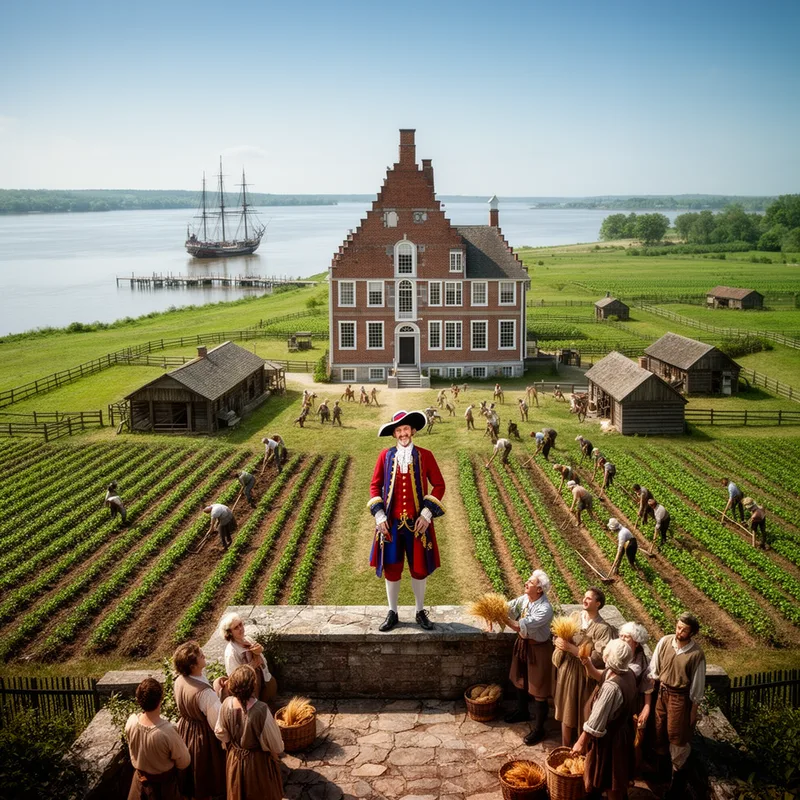
patroonship
- noun
- /pəˈtruːnˌʃɪp/
- Archaic
- Many early settlers worked on a patroonship in exchange for a share of the crops.
Examples
-
The Dutch granted a patroonship to encourage settlement along the Hudson River.
-
The patroonship granted him vast lands.
-
Under the patroonship system, landowners held vast estates and controlled local governance.
-
Many settlers aspired to own a patroonship in New Amsterdam.
-
The patroonship established by the wealthy families in New York significantly influenced regional development during the 17th century.
-
During the colonial era, a patroonship allowed landowners to govern large estates and manage agricultural production.
-
Her research focused on the administration of patroonships, highlighting their impact on Dutch colonial governance in America.
Surface Forms
Morphology
Etymology
Patroonship comes from the Dutch patroon, which is like the English word patron and meant 'landowner'. So a patroonship is the job, power and big area of land that belonged to such a person.

