
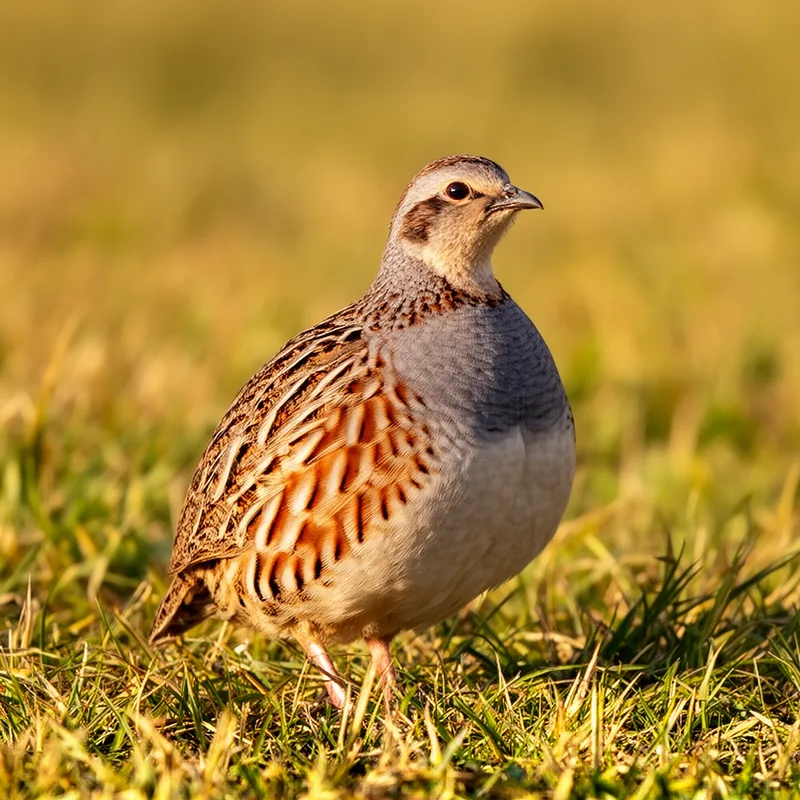
partridge
 9
4.8
9
4.8

- noun
- /ˈpɑːrtrɪdʒ/
- On the farm, he often spotted a partridge wandering through the fields, searching for food.
- partridge feathers
Loading YouTube…
Watch on YouTubeSome of God's Canaries, you know, couple partridges.
- Some of God's Canaries, you know, couple partridges.
Examples
-
In the silently humming, soft evening air, a partridge warns its chicks to take cover.
Fiction book (1993) -
During the hunting season, many people look for partridge as a delicacy for their festive meals.
-
Was the partridge young enough, tender enough?
-
A plump partridge strutted up and down in the garden every evening.
Academic text (2007) -
Not to waste too much time, the partridges roasted with the truffles.
-
To my relief, the partridge disappears into a dense, moss-covered patch of forest.
Blog text (8) -
For dinner, Elwes and Uncle Harvey ate whatever fish, partridges, or other small game Harvey had managed to kill that day.
Blog text (7) -
Now he's hunting partridge.
Fiction book (1999) -
The chef prepared a delicious dinner featuring partridge stuffed with herbs and vegetables.
Compounds

A medium-sized bird from western North America, larger than a California quail

A small plump bird with grey feathers and an orange face that lives in farmland

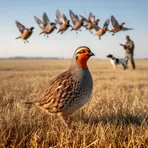
A common brown bird from Europe often hunted for sport and introduced to North America


- Specialized
A small American plant with yellow flowers and leaflets that fold when touched, often in prairies and open woods
How Plump

Surface Forms
Etymology
Partridge comes from the old Latin name perdix for this bird, and English kept a similar sound as the word changed over time. So the name still refers to the plump, ground-loving game bird often seen in fields and hunted for food or sport.