
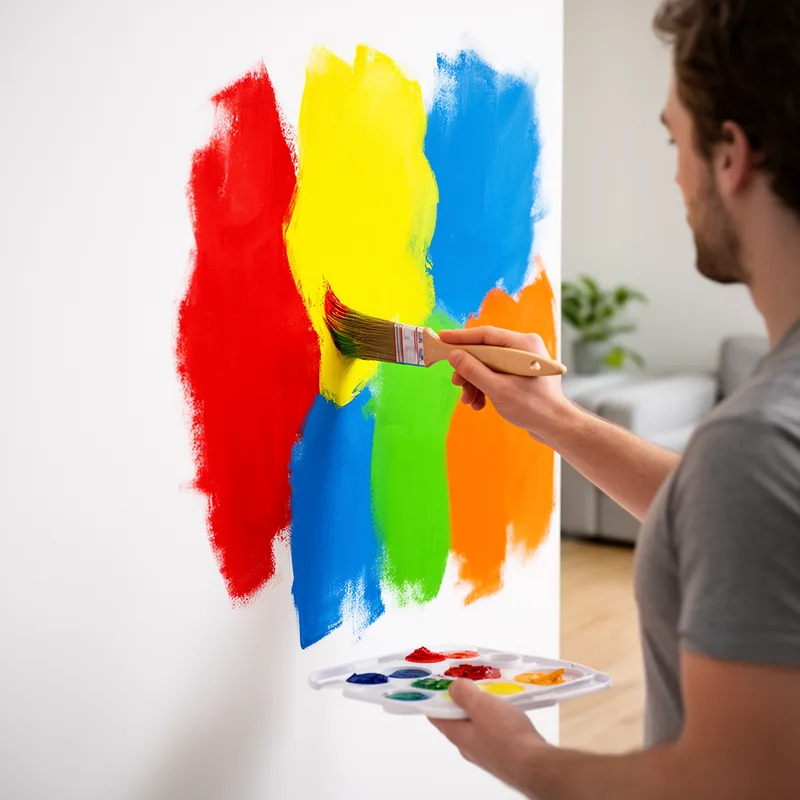
to parti-color
- verb
- /ˈpɑrtiˌkʌlər/
- Archaic
- To celebrate the festival, villagers would parti-color their costumes in bold, contrasting hues.
Examples
-
The artist chose to parti-color the walls, creating a vibrant and playful atmosphere in the room.
-
The artist loves to parti-color her canvases with vibrant hues.
-
Nature seemed to parti-color the petals with splashes of red, yellow, and orange.
-
Can you parti-color the walls in the living room?
-
The artist chose to parti-color the walls with bright and varied patterns, making the room lively.
-
For the event, the children will parti-color their paper hats with a mix of colorful designs.
-
She decided to parti-color her garden with flowers of different shades to create an eye-catching display.
Synonyms

 59
3.2
59
3.2

To mark a surface with long narrow lines of a different color
 5
7.2
5
7.2
To make small spots of a different color on something
 2
3.9
2
3.9
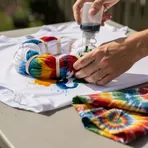
To make bright, uneven patterns on fabric by folding and tying parts then adding color


 1
8.8
1
8.8
To make something more varied by adding different colours or marks
 1
5.7
1
5.7
To color fabric or yarn by hand to make different shades

To add many colors to something
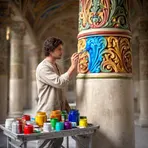
To paint something in many different colors

To make something have many different colors

To cover something with patches of different colors
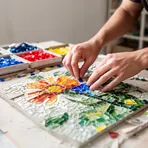
To cover a surface with small colored pieces to form a picture
Antonyms

How Colorful

Surface Forms
Morphology
Etymology
The word parti-color comes from French and means 'divided' and 'color'; parti- is like 'part' or 'divided' and color is 'color'. Think of a flag or cloth with different colored parts, so to parti-color something is to decorate it with different colors.