
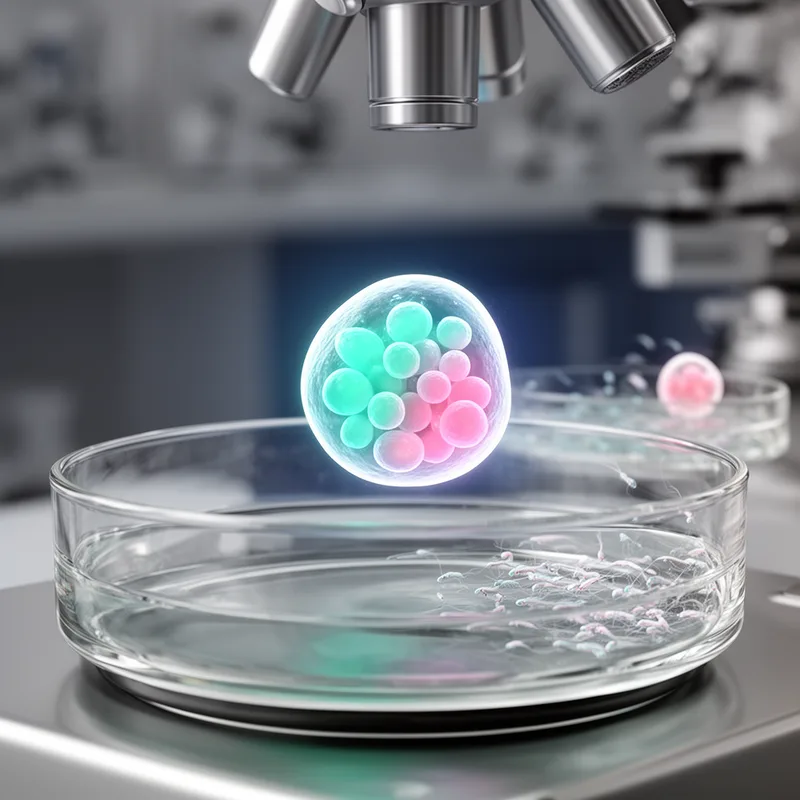
parthenote
- noun
- /ˈpɑrθəˌnoʊt/
- Specialized
- Scientists observed the development of a parthenote under laboratory conditions.
Examples
-
Ethical debates continue around the creation of human parthenotes for research purposes.
-
A parthenote differs from a zygote because it has no paternal genetic material.
-
The parthenote developed rapidly in the lab.
-
A parthenote can develop into a viable organism.
-
A parthenote is a unique type of cell that develops from an unfertilized egg, lacking any paternal DNA.
-
Researchers are studying parthenotes to understand their potential in regenerative medicine.
-
The biologist explained how a parthenote can grow into a new organism without fertilization.
Surface Forms
Morphology
parthenote = partheno + ote
The word 'parthenote' is derived from 'parthenogenesis', but its components 'partheno' and 'ote' are not standalone English words, making the word opaque to learners.
Etymology
The word parthenote comes from the Greek root partheno- meaning 'virgin', and it literally names a cell that comes from a 'virgin' or unfertilized egg. That's why a parthenote is an early embryo or cell that develops without sperm.

