
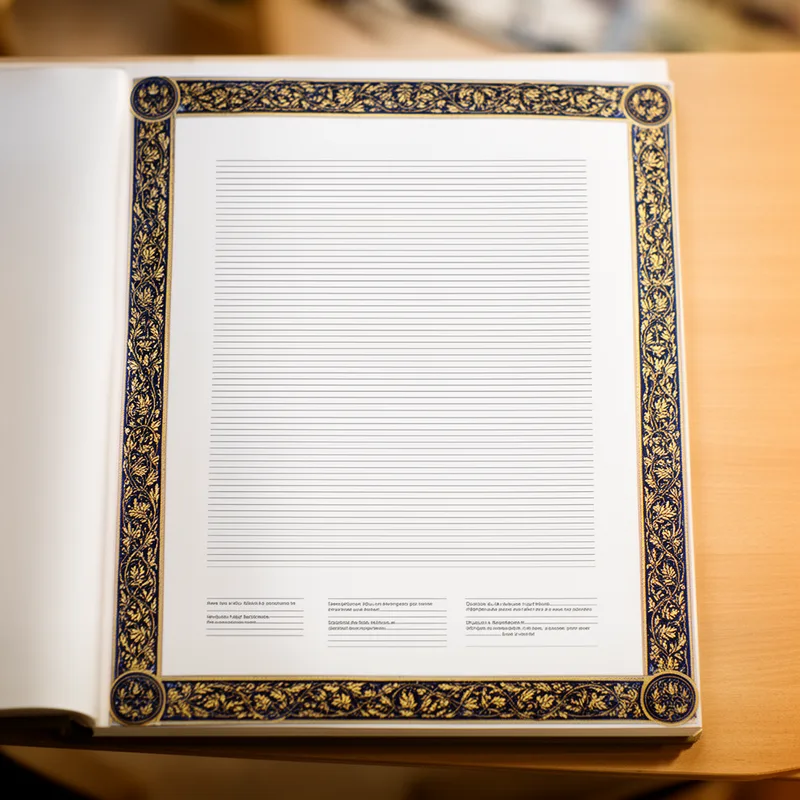
parergon
- noun
- /pəˈrɛrɡən/
- Literature
- In art critique, the frame often serves as a parergon, enhancing the overall presentation of the painting.
Examples
-
Like a parergon, ornament remains exterior to structure, but its exteriority no longer signifies that it is easy to detach, or even that it is detachable at all.
Academic text (1998) -
And like the supplemental parergon attached to the ergon, it is by no means a simple or self-evident process to decide where ornament ends and structure begins.
Academic text (1998) -
The ergon's lack is the lack of a parergon, which nevertheless remains exterior to it.
Academic text (1998) -
27;267;TOOLONG, etc. - and the title opposes itself spatially as parergon to the text that follows it.
Academic text (1992) -
If structure, in its metaphorical sense, is the fully conceived structured idea of the building, then ornament becomes the parergon that reifies the underlying essential idea, the recessive unseen structure.
Academic text (1998) -
Thus, ornament in the structure/ornament pair functions according to Derrida's logic of the supplement, in particular of the supplement that is the parergon (that which is next to, attached to, outside of the ergon, that is, the work of art).
Academic text (1998) -
The author included a brief commentary as a parergon to provide deeper insights into the main themes of the novel.
-
Many films include a parergon such as behind-the-scenes features to enrich the viewer's experience of the primary story.
Synonyms

 4
5.4

A small picture or map that appears inside a larger page to show more detail
 3
7.8
A small picture that decorates the start or end of a book chapter
 1
9.8
A picture on the page facing a book's title page

Extra notes or short texts not in the main work but added later
How Central

Surface Forms
Morphology
parergon = para + ergon
Although the word is historically built from Greek elements meaning 'beside' and 'work', those elements are not transparent standalone bases for most English learners.
Etymology
The word parergon comes from Greek parts para- 'beside' and ergon 'work', like the para- in parallel, which means 'side by side', and the ergon in energy, which means 'work'. So a parergon is a small or extra 'work' that sits beside a main work, such as a decorative border or added notes.