
para
- noun
- Archaic
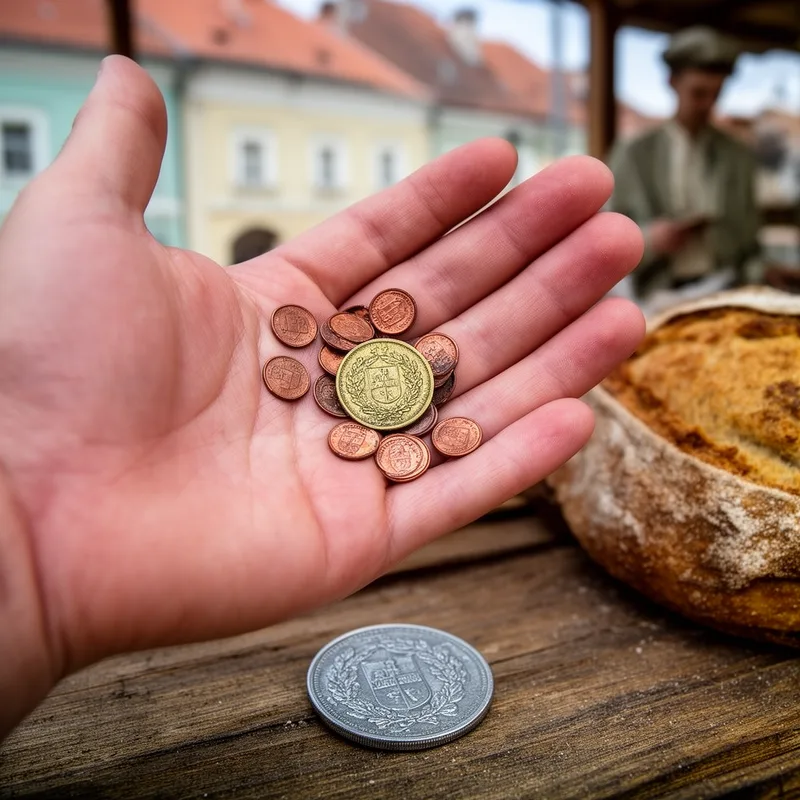
- In pre-1990 Yugoslavia, a loaf of bread cost just a few para.
Examples
-
I saved a few paras from my trip to Yugoslavia.
-
When the dinar was Yugoslavia's currency, 100 para made up one dinar.
-
Collectors sometimes seek old Yugoslav para coins for their historical value.
-
He exchanged his para for euros at the bank.
-
In Yugoslavia, one hundred paras could be exchanged for one dinar.
-
The price of the loaf of bread is 500 paras, which is affordable for most families.
-
After the currency change, many people were left with piles of useless para coins.
Compounds


- Specialized
A natural rubber made from sap of the Brazilian rubber tree used to make tires



- Specialized
A chemical found in yeast and liver cells used to make dyes, medicines, and sunscreen

- Specialized
Work done by a person who is not a lawyer to help legal cases, like preparing documents and doing research
Surface Forms
Etymology
Para as a coin comes from the Turkish word para, meaning 'money' or 'piece', a common word in the Balkans for small coins. So the Yugoslav para was the small unit that made up one hundredth of a dinar.

