
pantothenic acid


 1
5.3
- noun
- /ˌpæn.təˈθɛn.ɪk ˈæs.ɪd/
- Specialized
- I take a supplement that contains pantothenic acid daily.
Examples
-
A deficiency in pantothenic acid is rare since it is found in a wide variety of foods.
-
Many energy drinks are fortified with pantothenic acid to support metabolism.
-
Studies show that pantothenic acid plays a vital role in synthesizing coenzyme A.
-
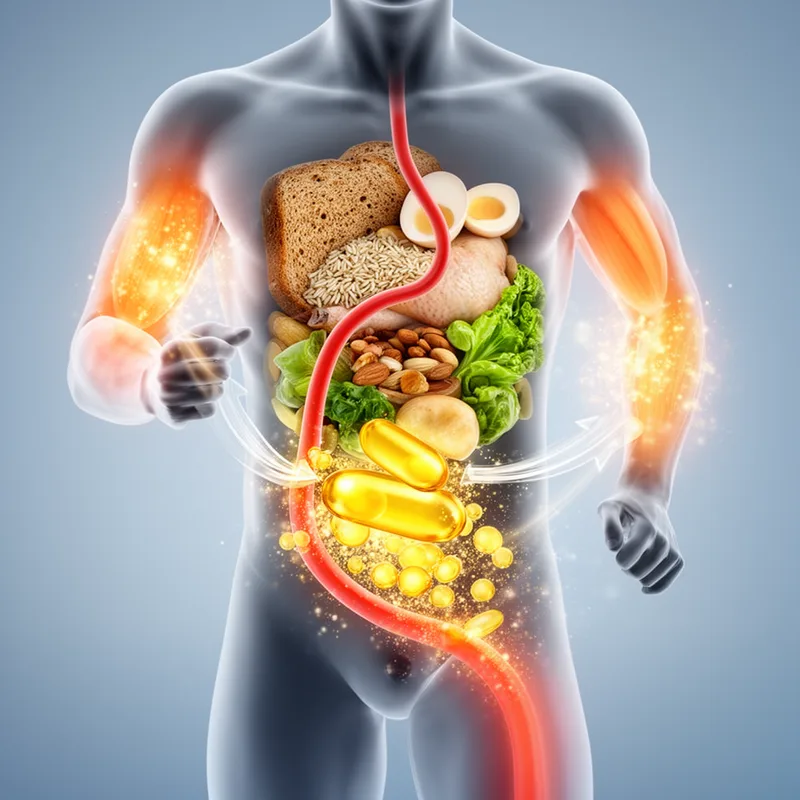
Many foods are rich in pantothenic acid.
-
Pantothenic acid is essential for the body to metabolize fats and carbohydrates effectively.
-
You can find pantothenic acid in foods like eggs, fish, and whole grains.
-
A lack of pantothenic acid can lead to various health issues, including fatigue.
Surface Forms
Morphology
The noun is compositionally built: 'pantothenic' denotes something related to a B vitamin and 'acid' denotes a chemical substance, so a learner who knows both constituents can infer it is the acid form of the pantothenic/vitamin B compound. This 'X acid' naming pattern is regular in chemistry and cross-linguistically common, making the meaning predictable for learners who know the parts.
Etymology
Pantothenic acid comes from Greek words meaning 'from everywhere' and the root panto- means 'all', because scientists found this substance in many foods. So the name fits a B vitamin that helps the body turn food into energy.