
pangenesis
- noun
- /ˌpænˈdʒɛnɪsɪs/
- Archaic
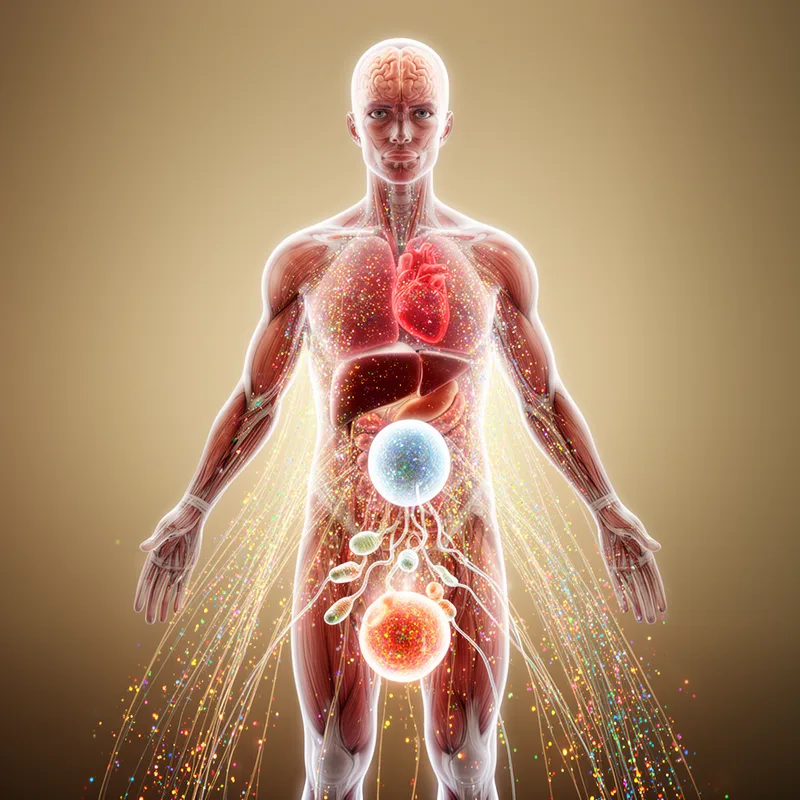
- According to pangenesis, each organ of the body casts off tiny particles called gemmules.
- theory of pangenesis
Examples
-
According to pangenesis, the tentative theory of heredity espoused by Darwin, minute, invisible copies of each body component and organ (gemmules) exist in all cells.
Academic text (1993) -
According to pangenesis, each organ of the body casts off tiny particles called gemmules.
Academic text (2000) -
In his longest book, The Variation of Animals and Plants Under Domestication (1868), Darwin proposed, as a "provisional hypothesis" in his own words and judgment, a theory of heredity that he called pangenesis.
Academic text (2000) -
According to the discredited theory of pangenesis, all parts of an organism contribute material to its reproductive cells.
-
In his longest book, The Variation of Animals and Plants Under Domestication (1868), Darwin proposed a theory of heredity called pangenesis.
How Accepted


Surface Forms
Morphology
Etymology
Pangenesis comes from Greek parts pan- 'all' and -genesis 'birth'. Darwin used pangenesis for his idea that every part of a plant or animal sent material to the next generation, so the name shows the theory meant 'all' parts help make offspring.