

to pall
- verb
- /pɔl/
- The velvet cloth was used to pall the coffin before the ceremony.
Examples
-
Traditionally, mourners would pall the casket as a sign of respect.
-
They decided to pall the coffin with a black cloth.
-
At the funeral, they quietly palled the remains with a deep blue fabric.
-
Can you help me pall the coffin tomorrow?
-
During the funeral, they chose to pall the coffin with a beautiful silk cloth.
-
The ceremony began as the family gathered to pall their loved one's coffin with flowers and fabric.
-
In somber silence, the priest instructed them to pall the casket before the burial.
Synonyms



 1
9.9
1
9.9
To cover something with black cloth as a sign that someone has died
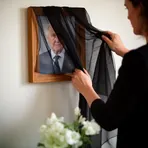
To cover something with a soft thin fabric as a sign of mourning

To wrap a dead body in waxed cloth for burial
Antonyms

Idioms

Compounds



Surface Forms
Etymology
The verb pall (to cover a coffin) comes from the same cloth pall, which comes from Latin pallium 'cloak', so to pall something is to put a heavy cover over it.