

palingenesia
- noun
- /ˌpælɪndʒəˈniːʒə/
- Formal
- In philosophy, palingenesia represents the idea of continuous rebirth.
Examples
-
The concept of palingenesia is central to many spiritual traditions.
-
The philosopher wrote about the palingenesia of society after a period of crisis.
-
In ancient texts, palingenesia was used to describe the soul's spiritual rebirth.
-
The poet believed in the palingenesia of nature each spring.
-
Many philosophers discuss the concept of palingenesia as a form of spiritual rebirth, highlighting its significance in personal transformation.
-
In ancient literature, palingenesia often refers to the idea of the soul experiencing renewal after death.
-
The artist described her latest work as a palingenesia, symbolizing the rebirth of hope in a troubled world.
Synonyms

 19
6.1
19
6.1

A deep spiritual change that makes a person start a new life
 19
5.8
19
5.8
Making something new and stronger after damage
 14
6.5
14
6.5
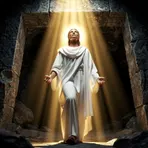
A return to life after death, often in many religions
 6
7.9
6
7.9
The act of bringing someone back to life or to consciousness
 3
4.1
3
4.1
A return of activity or interest after a time of rest
 1
6.4
1
6.4
The ability of a person, group, or cell to make new parts and stay active


 1
7.7
1
7.7
A deep change in the way a person lives after a spiritual awakening
 1
8.8
1
8.8
A new beginning when something is made or starts again

A process in which someone or something is made new again

The process of becoming new or useful again after damage

A return of youthful energy and new strength
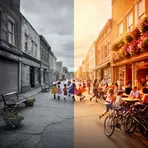
A return to life, being awake, or normal activity

To make something again after people destroy or lose it
Antonyms

How Renewed

Surface Forms
Morphology
palingenesia = palingenesis (semi-transparent) = palin + genesis + ia
Forming 'palingenesia' from 'palingenesis' by adding the noun-forming suffix '-ia' is a straightforward morphological variant.
Etymology
The word palingenesia comes from the Greek parts palin 'again' and genesis 'birth', the same root in the familiar word genesis, so it means 'rebirth' or a deep spiritual or social renewal.