
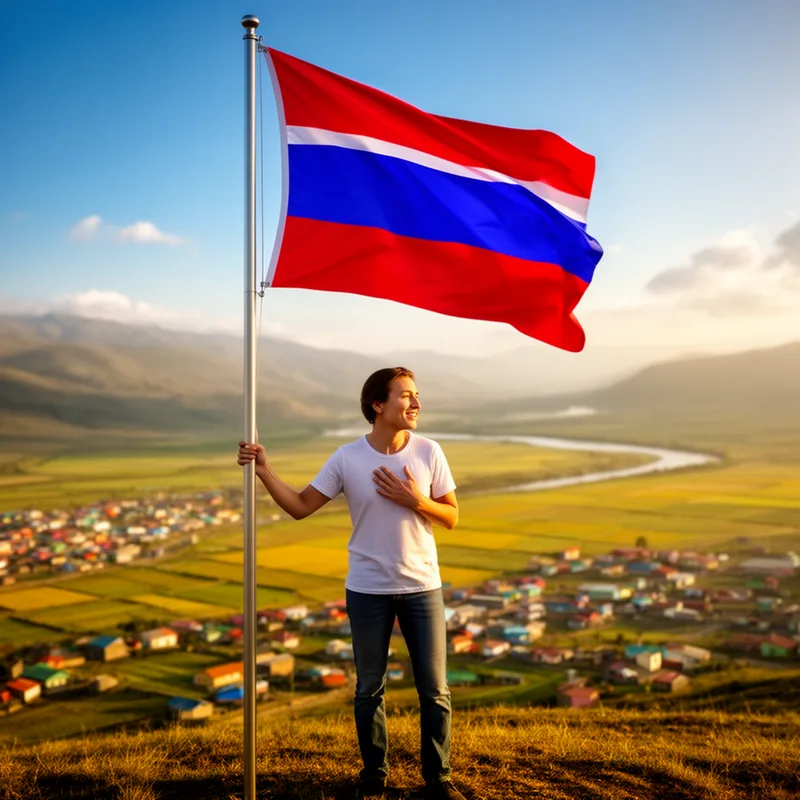
pais
 1
9.9
1
9.9

- noun
- /paɪs/
Examples
-
In the spring of 1866, the Pais were autonomous.
Academic text (1998) -
Upon return from the Colorado River Reservation in 1875, the Pais' first concern was securing food.
Academic text (1999) -
Army officers issuing rations to the Pais seem to have reinforced traditional band allegiance.
Academic text (1998) -
By the spring of 1891, Pais plainly perceived that the Ghost Dance movement had failed to achieve its objectives.
Academic text (1998) -
Actual casualties ran between 233 and 266 Pais, the seventh largest loss among Arizona tribes.
Academic text (1998) -
Significant numbers of Pais perished at La Paz, where Byrne encamped his charges.
Academic text (1998) -
Reluctantly obeying orders, Captain Thomas Byrne escorted the Pais to the reservation in the Colorado River floodplain.
Academic text (1998) -
The Pais have a rich cultural history that reflects their deep connection to their homeland.
-
Many people from the Pais celebrate their national holidays with festivals and parades.
-
After years of struggle, the Pais finally gained sovereignty over their territory.
Synonyms
 177
3.1
177
3.1
The country where someone is born or where they feel they belong
 22
4.6
22
4.6
The country where you were born or that you feel strongly connected to
 12
7.4
12
7.4
The country where a person is born or feels strong loyalty to
 9
3.6
9
3.6
A country where a person was born and still feels at home
 3
3.5
3
3.5
The country where you were born or the one you feel most connected to
 1
7.9
1
7.9
A person's native country that they love
Surface Forms
Etymology
Pais comes from the Spanish and Portuguese word país, which goes back to Old French pais and the old Latin word pagus meaning 'rural district' or 'land'. So a pais is the land or district where people live, which is why it means 'country' today.