to page

to page

6 2.7
To look through a book or magazine quickly
  • verb
  • /peɪdʒ/
translation icon : hojear
  • Kit pushed back his thick hair and paged through the book.

Examples

  • I handed the man my documents, and he paged through them with bored efficiency.

    Fiction book (1995)
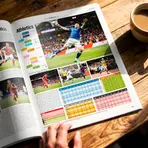
  • The husband watched TV in the living room while his wife paged through a Cosmopolitan.

    Fiction book (2002)
  • So let me just page through and show you a couple of plots here.

  • With Al peering over his shoulder, he began to page through it.

    Fiction book (1992)
  • I was only paging through it in line at the grocery store.

    Fiction book (2001)
  • Murphy steps over as she pages through the logbook to the very end.

    Fiction book (2002)
  • Once the children were in bed, she paged through magazines and eventually fell asleep on the sofa.

    Fiction book (1996)
  • Ed sits in the chair and starts paging through Eve's diary.

    Fiction book (2000)
  • After the waitress cleared their dishes, they paged through their AAA road atlas.

    Fiction book (1994)
  • After dinner, she decided to page through the travel magazines for inspiration.

Synonyms

to leaf
vsto page
17 6.5

To turn pages quickly without reading everything
is more searching and may stop to read more carefully
to scroll through
vsto page
  • Texting
15 2.8

To move information on a screen up or down to look at it

is about casual searching of printed material rather than screen browsing
to thumb
vsto page
12 5.8

To turn the pages of a book quickly while only looking a little

is more deliberate and searching rather than just quick glances
to flick
vsto page
  • UK
9 2.8

To look quickly through the pages of a book or magazine

is more searching and casual rather than only rapid light browsing
to riffle
vsto page
2 6.5

To turn pages quickly or move thin things with a light quick motion

is slower and more searching rather than a light fluttering action
1.8

Flip a page in a book or magazine to read the next one

is used for casual searching and browsing rather than only moving forward once

Idioms

Having the same view about a plan or goal

Phrasal Verbs

Move on to the next page or to a new part of your life after a difficult time
1 2.7

To save a web page in your browser so you can open it later

Flip a page in a book or magazine to read the next one

Compounds

web page
  • Texting
68 1.0

A document on the internet that shows text, images, and links

home page
  • Texting
27 2.3

The main page of a website that appears when you open the site or your browser

front-page news
  • Literature
15 2.7

News on a newspaper's front page that many people talk about

13 3.6

Taking up a whole page in a book, magazine, or newspaper

sports page
  • Literature
12 1.3

A page in a newspaper or magazine with news and results about sports

6 2.8

An entire page in a newspaper showing a single story or advertisement

Wikipedia page
  • Texting
6 2.5

A web page on Wikipedia that gives information about one topic

5 1.0

A number that shows which page in a book or document

5 2.0

The page at the start of a book that shows the book's name, author, and publisher

page-turner
  • Informal
3 3.1

A book that is so exciting you cannot stop reading

1 2.5

One of two equal parts of a printed sheet used for text or an ad

A page that is wrinkled and makes a soft rustling sound when you touch it

6.5

Further down on the page below the current section

4.6

A machine that makes one page at a time

A feeling of nervousness before reading aloud or speaking in public

page printer
  • Specialized
3.5

A machine that makes one whole page at a time by storing it in memory

page turner
  • Specialized
7.9

A small machine that moves the pages of books or magazines by itself

series title page
  • Specialized
6.8

A page near the front of a book that shows the series name and other details

How Thorough

to read
1.8
to scan
127 2.7
to skim
1 2.7
to page
6 2.7

Surface Forms

page infinitive
paged past
paged past participle
paging present participle
pages third person singular

Etymology

The verb page (to turn pages) comes from the same idea of a page ('sheet'); to page through something is to move quickly through its pages.