
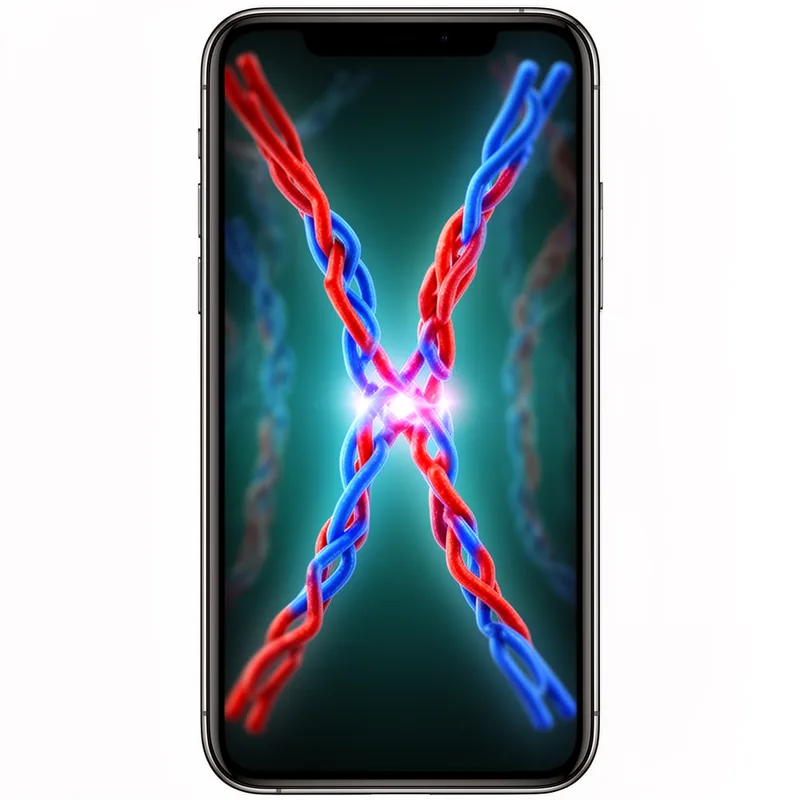
pachytene


 1
9.9
- noun
- /ˈpækɪˌtiːn/
- Specialized
- Crossing-over between chromatids takes place during the pachytene stage of meiosis.
Examples
-
During pachytene, chromosomes are fully paired.
-
Errors during pachytene can lead to genetic abnormalities in gametes.
-
Scientists observed that homologous chromosomes are most closely aligned in pachytene.
-
The pachytene stage is crucial for genetic diversity.
-
Crossing-over occurs between homologous chromosomes during the pachytene stage of meiosis.
-
In the pachytene stage, the chromosomes are fully paired, allowing for genetic recombination.
-
Genetic abnormalities may arise from errors that happen during pachytene in meiosis.
Surface Forms
Morphology
pachytene = pachy + tene
This is a highly specialized scientific term built from classical combining forms, and knowing the parts would not normally allow a learner to infer the exact meiotic stage.
Etymology
Pachytene comes from Greek parts pachy- meaning 'thick' and -tene from a word for 'ribbon' or 'band'. So think 'thick ribbon' — a helpful image because in this stage the chromosomes are thick, closely paired, and can swap parts in crossing-over.