
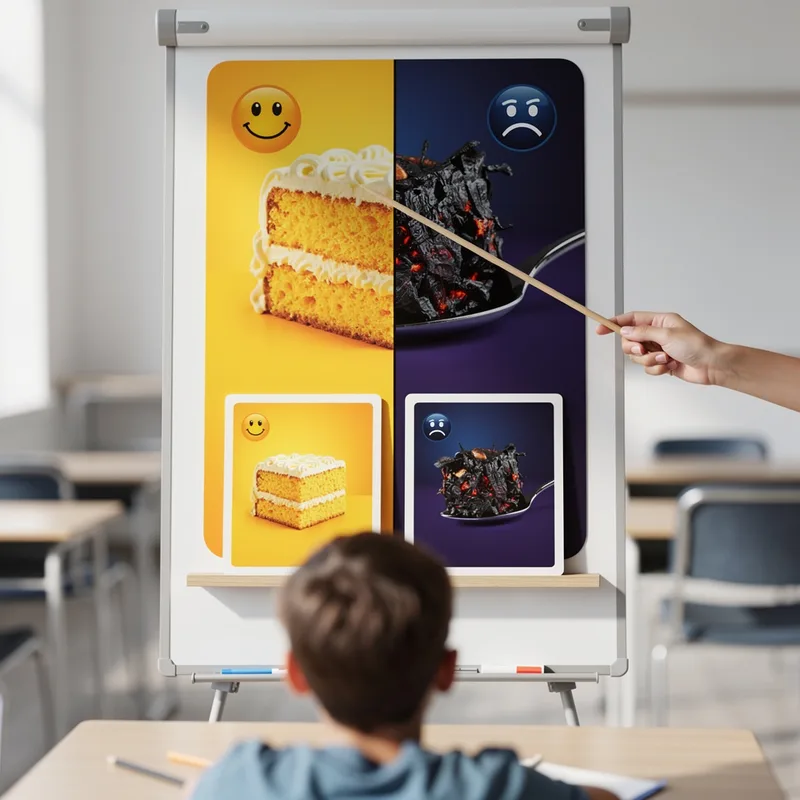
oxymoronic
 2
8.1
2
8.1

- adjective
- /ˌɑk.sɪˈmɔr.ɪk/
- Literature
- The term "jumbo shrimp" is a classic example of how oxymoronic phrases can be humorously contradictory.
- oxymoronic phrases
Loading YouTube…
Watch on YouTubeSo Johnny has this very oxymoronic personality make up.
- So Johnny has this very oxymoronic personality make up.
Examples
-
The very mention of ecumenism in the same sentence with the word "evangelicals" may seem oxymoronic, at least at first glance.
Academic text (2014) -
Is the oxymoronic combination one from folk or fairytale with its prince in disguise?
Academic text (2006) -
And I want nothing to do with that oxymoronic behavior.
Blog text (2) -
So Johnny has this very oxymoronic personality make up.
-
Yet the practice of art history provides an oxymoronic twist on this by now common characterization.
Academic text (2002) -
What is clear, though, is that this dilemma must be addressed before the term social work administrator becomes oxymoronic.
Academic text (2007) -
Lindsay aptly calls them "oxymoronic citizen refugees."
Academic text (2010) -
Saraband is a paradoxical, oxymoronic embodiment of fragmented order.
Academic text (2009) -
Clearly, such a claim has an oxymoronic appeal but also hints at the conflicted history of disciplinary paradigms of the world.
Academic text (2007) -
Shakespeare, through repetition, has thus arrived at the oxymoronic reality of the vexed still, still vexed phenomenon that will recur in The Tempest.
Academic text (2005)
Synonyms
 72
6.1
72
6.1
Showing ideas or statements that do not agree and cannot both be true
 15
7.5
15
7.5
Something that seems impossible or wrong but is still true
 12
8.4
12
8.4
Directly opposed in beliefs or purpose
 7
4.2
7
4.2
Having ideas, facts, or feelings that do not agree with each other
 3
7.0
3
7.0
An idea that does not agree with another idea

Showing a clear difference between two ideas

Directly opposite in idea or purpose

Involving a conflict between two ideas or rules
How Contradictory

Surface Forms
Morphology
Etymology
Oxymoronic comes from Greek parts oxy- meaning 'sharp' and moron meaning 'dull'. So something oxymoronic mixes two opposite ideas, which is why phrases like 'bittersweet' or 'seriously funny' feel surprising and memorable.