
oxyhemoglobin
- noun
- /ˌɑksihɪˈmoʊɡləˌbɪn/
- Specialized
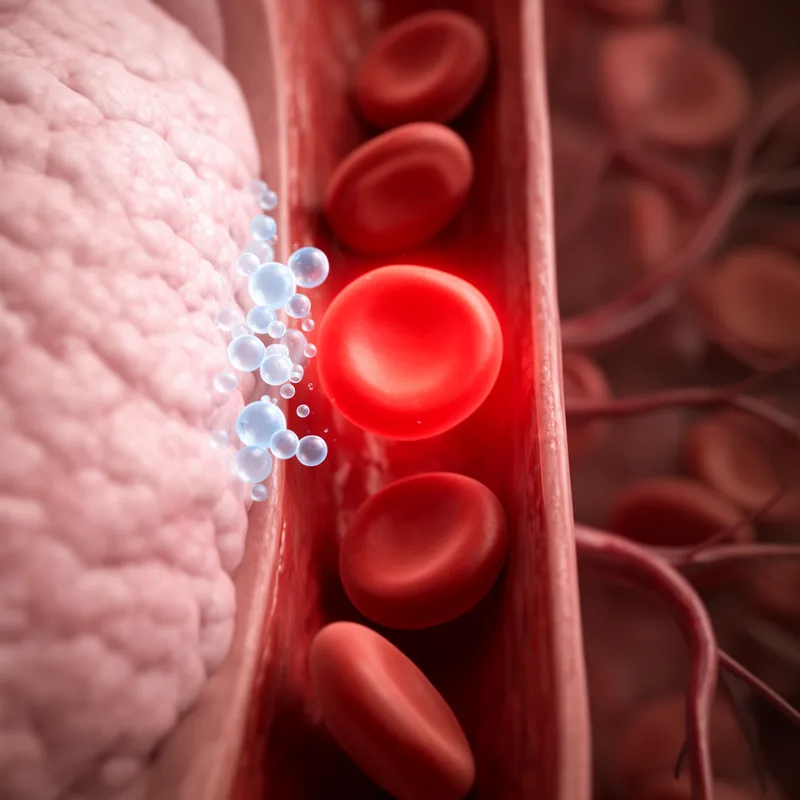
- When blood passes through the lungs, hemoglobin binds with oxygen to form oxyhemoglobin.
Examples
-
The presence of oxyhemoglobin ensures that tissues receive the necessary oxygen for cellular respiration.
-
The interaction of the charges at the surface of erythrocytes stimulates the release of oxygen from oxyhemoglobin.
Academic text (2017) -
The bright red color of arterial blood comes from oxyhemoglobin, which is essential for identifying oxygen-rich blood.
Surface Forms
Morphology
oxyhemoglobin = hemoglobin (semi-transparent) = oxy + hemoglobin
Formed by the combining form 'oxy-' (oxygen) plus 'hemoglobin' meaning 'hemoglobin bound to oxygen'; the scientific combining form may be unfamiliar to general learners.
Etymology
Oxyhemoglobin joins oxy- ('oxygen') and hemoglobin ('blood protein'), so it literally means the hemoglobin that has oxygen. That's why oxyhemoglobin is the bright red form of blood that carries oxygen from the lungs to the body's tissues.

