

overtime
 119
2.1
119
2.1

- noun
- /ˈoʊvərˌtaɪm/
- The workers received additional pay for the hours they spent on overtime.
- overtime pay
- overtime wages
- work overtime
Loading YouTube…
Watch on YouTubeIf they want to get you overtime, they will.
- If they want to get you overtime, they will.
- I spent hundreds of hours of overtime to save for this.
- Workers are in high demand and are earning overtime and can demand pay raises.
- That is, during periods of economic, high economic activity, you'll have to pay overtime for the workers.
- I will always figure out how much of that overtime was and I will always account for it in my head.
- Don't, don't just cram down on a system that that takes from young people and and gives them less and less overtime.
- I was always the person who said yes to overtime, yes to the commissions that no one else wanted, because I thought eventually I'll be rewarded.
- Oh, it's nice for a because it was an overtime like midnight thing.
- Well, I guess that's counter conspiracy, but that's all it requires staff to do the overtime not considered a good use of resource.
Examples
-
Additional leave time should not be less than the length of actual overtime work.
Academic text (2016) -
You all get paid overtime.
-
I spent hundreds of hours of overtime to save for this.
-
I worked 20 hours overtime last week.
-
Workers are in high demand and are earning overtime and can demand pay raises.
-
That means more workers call back, more overtime for the American middle class blue collar workforce.
-
Most of this was due to increased labor costs associated with overtime for county employees and equipment rentals.
Academic text (2007) -
Everyone else in the sheriff's office is working overtime on the arsonist thing.
Fiction book (1993) -
After meticulous calculations, the bank discovered that the cost of overtime was disproportionate to its benefits.
Fiction book (1996) -
The large, new storage facility has greatly reduced overtime related to sludge hauling.
Academic text (1998)
Compounds
 1
3.1
1
3.1
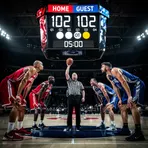
Extra time played after normal time when the score is tied to decide a winner

Surface Forms
Morphology
Etymology
The word overtime comes from over meaning 'beyond' and time meaning 'time', so at work it means hours worked 'beyond' your usual hours, often paid at a higher rate.