
overdrive
 1
6.8
1
6.8

- noun
- /ˈoʊvərˌdraɪv/
- Specialized
- I've had a couple of cars with a bizarre "electronic" overdrive unit attached to them too.
Examples
-
The required gate pulse overdrive, the excess gate pulse voltage above the pixel voltage range, depends upon the technology with which the active matrix is made.
Academic text (2000) -
For overdrive and volume, I've just started using a Fulltone OCD pedal, which I really dig.
Blog text (25) -
San Francisco and most other libraries lease their collection through OverDrive, a digital distribution company.
Blog text (32) -
The sensors on the probe went into overdrive; the automatic analysis programs would count the creatures for us.
Fiction book (1995) -
So if these chips are actually alive, like some form of techno-organic interface, then the watch must be in overdrive to scan 'em.
-
The sunlight grew dimmer, then faded out entirely when the overdrive kicked in.
Fiction book (2000) -
Emphasis on the OverDrive is what AMD is calling when these three thresholds are bumped up.
-
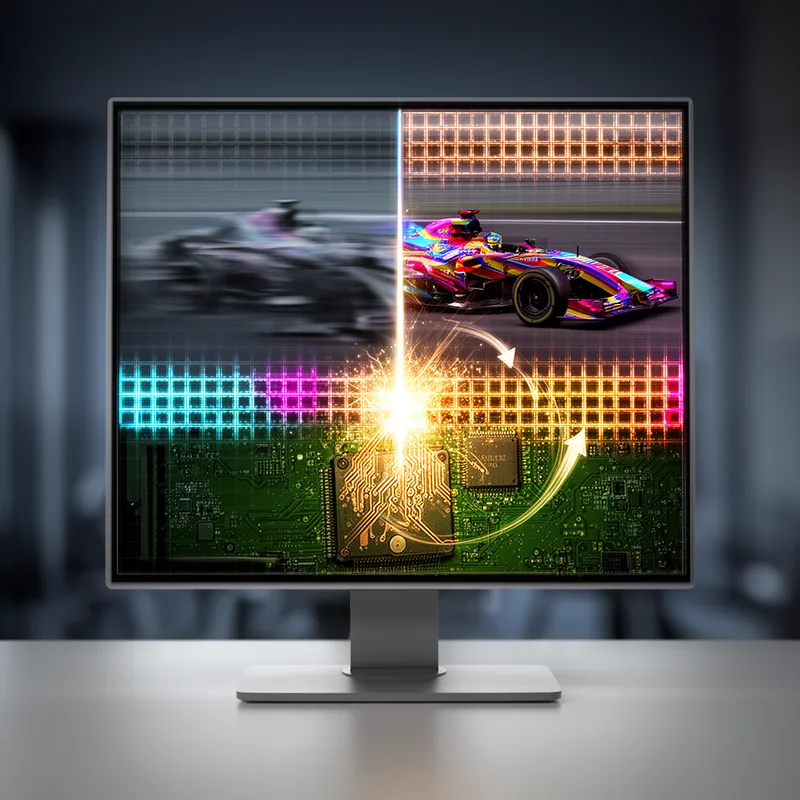
The new feature in the gaming console uses overdrive to boost the graphics and refresh rate for smoother gameplay.
-
During the demonstration, the device's overdrive allowed the screen to update instantly without lag.
-
Engineers adjusted the overdrive settings to optimize the display's response time for gamers and designers.
Antonyms

How Functional


Surface Forms
Morphology
Etymology
Overdrive comes from over 'extra' and drive 'to push'. In electronics, it means a short boost that pushes extra power to a part so it reacts faster and the image or signal changes more quickly.