
osteomalacia


 1
9.9
- noun
- /ˌɑːstɪoʊməˈleɪʃə/
- Specialized
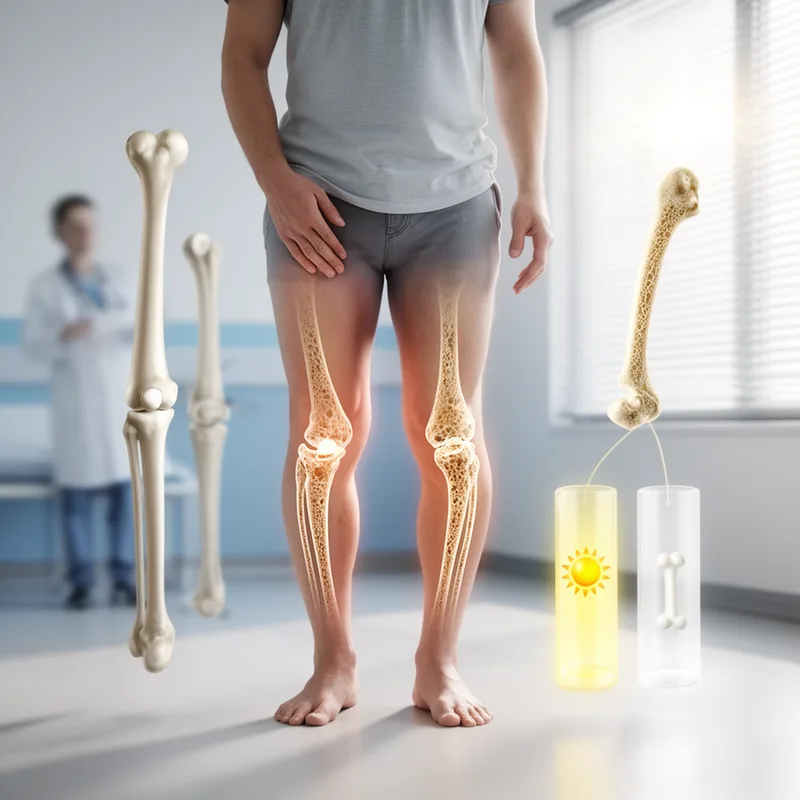
- Osteomalacia is a condition characterized by osteomalacia, which leads to the softening of bones due to a deficiency of vitamin D.
- rickets and osteomalacia
Examples
-
Symptoms of osteomalacia include bone pain and muscle weakness that can hinder daily activities.
-
So osteomalacia, let's talk about that.
-
Another condition, osteomalacia, may occur.
Academic text (2003) -
It is accompanied by nephrocalcinosis in more than 70% of patients, and rickets and osteomalacia in 20%.
Academic text (1996) -
Chaney says that there has been concern about the toxicity of cadmium because of reports of kidney tubular dysfunction and rickets (osteomalacia) among Japanese farm families eating rice grown.
Academic text (1995) -
If left untreated, osteomalacia can increase the risk of fractures in older adults due to weakened bones.
Surface Forms
Morphology
osteomalacia = osteo + malacia
Formed from Greek combining forms 'osteo-' (bone) + '-malacia' (softening); these medical combining forms are specialized and not readily interpretable by an average B1 learner.
Etymology
Osteomalacia breaks into two parts: osteo- meaning 'bone' and -malacia meaning 'softness'. So, osteomalacia literally means 'soft bones', which explains the name for the condition when bones become soft from a lack of vitamin D or minerals like calcium and phosphorus.