
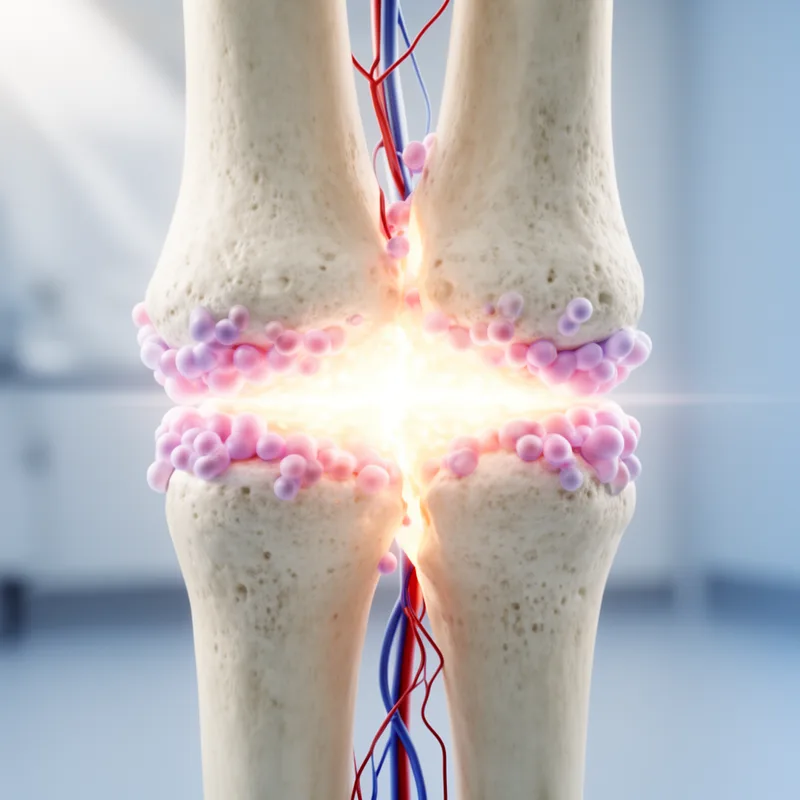
osteogenic


 1
7.6
1
7.6
- adjective
- /ˌɑːstɪoʊˈdʒɛnɪk/
- Specialized
- The research team studied the osteogenic properties of certain stem cells.
- osteogenic sarcoma
Examples
-
I have a-a 17-year-old patient with a osteogenic sarcoma and I'm looking for any kind of experimental program.
-
Surgeons often focus on osteogenic tissues when repairing bone injuries.
-
It's most likely an osteogenic sarcoma.
-
'What you have is an osteogenic sarcoma.'
-
The survival rates for your form of osteogenic sarcoma are not high.
-
Most of these tumors are capillary hemangiomas of osteogenic origin.
Academic text (2003) -
For example, osteogenic sarcomas generally appear below the age of 25 years, and giant cell tumors usually occur more frequently between the ages of 50 and 70 years.
Academic text (2006) -
Primary malignant bone tumors include osteogenic sarcoma (the most common), Ewing's sarcoma, and multiple myeloma.
Academic text (2006) -
The periosteum is an osteogenic sleeve that covers bone surfaces, except for the areas where the tendons and ligaments attach to bone and the articular surfaces of the joints.
Academic text (2002) -
Her condition involved an osteogenic growth that required immediate treatment.
Synonyms
Relating to the making of new bone tissue

Relates to forming and repairing bone
Compounds

- Specialized
A type of bone cancer that often affects the thigh bone in children and young adults
Surface Forms
Morphology
osteogenic = osteogenesis (semi-transparent) = osteo + gen + ic
While the components are clear, the specific meaning related to bone formation requires specialized knowledge.
Etymology
Osteogenic breaks into two parts: oste- meaning 'bone' and -genic meaning 'producing', as in the common word generate. So Osteogenic means 'producing bone' or relating to the formation of bone.