
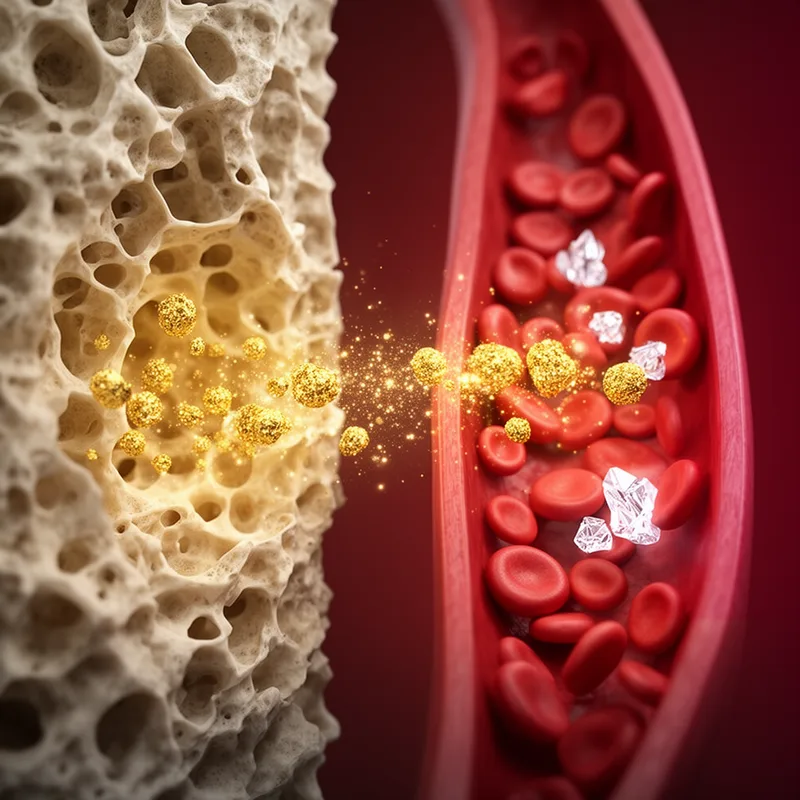
osteocalcin
 4
9.3

- noun
- /ˌɑːstɪoʊˈkælsɪn/
- Specialized
- Biochemical markers of bone metabolism, including osteocalcin, urinary calcium, and urinary deoxypyridinoline, were collected at baseline, 6 months, 12 months, and 24 months.
- osteocalcin levels
- decrease in osteocalcin
- serum osteocalcin
Loading YouTube…
Watch on YouTubeBut osteocalcin is made by the bones.
- But osteocalcin is made by the bones.
- It does have to be effort, but it pays off through this osteocalcin system.
Examples
-
So it fits in with the idea that exercise, you know, which builds up bone mass, releases osteocalcin and has this rejuvenating effect on the brain.
-
Significant reductions of osteocalcin levels were observed among groups A (-4%), B (-5.7%), and C (-1.7%).
Academic text (2007) -
But osteocalcin is made by the bones.
-
At 6 months, mean serum osteocalcin levels did not change in any group.
Academic text (2007) -
However, we do provide evidence that osteocalcin plays a role in insulin signaling at the target tissue level.
Blog text (6) -
We did not, however, see a difference in regards to the effects of osteocalcin on pancreatic insulin secretion.
Blog text (6) -
In the absence of osteocalcin, high insulin levels have reduced effects on end-organ glucose uptake.
Blog text (6) -
Researchers found that osteocalcin is essential for maintaining bone density and overall health.
-
Doctors often measure osteocalcin levels to assess a patient's bone health and metabolism.
-
The hormone osteocalcin plays a critical role in regulating energy metabolism in the body.
Surface Forms
Morphology
Etymology
Osteocalcin comes from the parts osteo- meaning 'bone' and calc- meaning 'calcium', the same root as calcium. So osteocalcin literally means a bone calcium protein, which fits its job as a protein made by bone cells that helps keep bones healthy and helps the body use energy.