
osmium
 1
9.7
1
9.7

- noun
- /ˈɑzmiəm/
- Specialized
 :
osmio
:
osmio
- After post-fixation with 1% osmium tetroxide in cacodylate buffer, the specimens were placed in 70% ethanol and dissected to obtain segments of the organ of Corti.
- osmium tetroxide
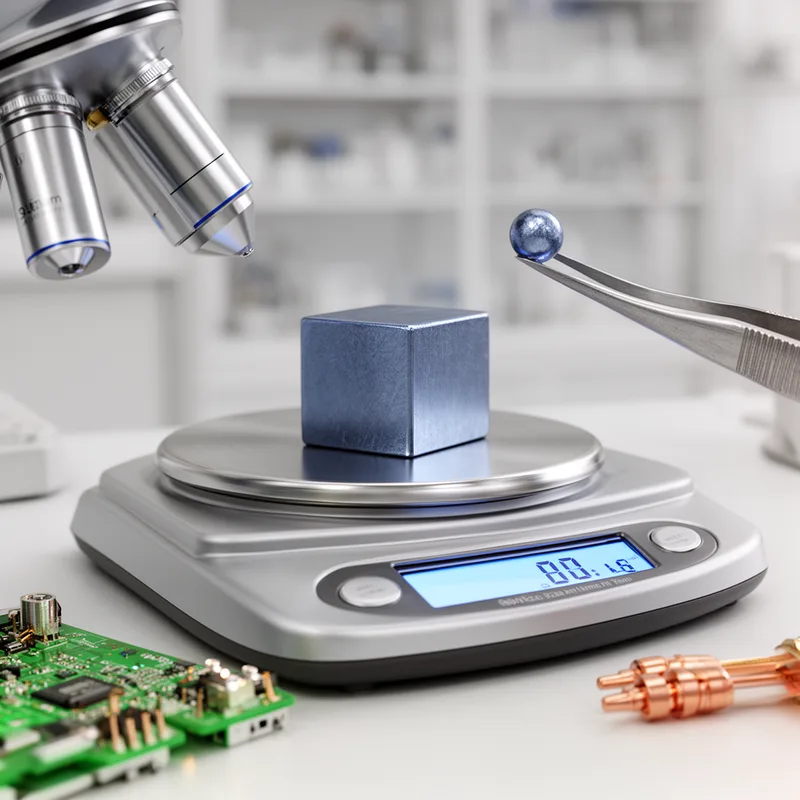
So osmium would make the world's best paperweight.
- So osmium would make the world's best paperweight.
Examples
-
So osmium would make the world's best paperweight.
-
Even the sensors on the Enterprise weren't able to detect anything beneath the layer of diburnium and osmium.
Fiction book (2001) -
It's not sinking, so you can see how deep this is, but somehow the osmium is still floating on it.
-
"Is there extra osmium on board?" Reyes asked.
Fiction book (1999) -
The Cortelyou's engineers would try to pick out anything with osmium.
Fiction book (1999) -
"Osmium impurity was under one part per million," Mon answered, "and we filtered that out during condensation."
Fiction book (1999) -
So osmium tetroxide or permanganate is osmium or manganese minus in the center of four oxygens, right?
-
It's at this point that a chemical called osmium tetroxide fixes all the fats and fluid membranes in the brain cells.
Blog text (14) -
Now for $1,500 an ounce on average, you have platinum, palladium, radium, osmium, iridium—and the asteroids are chock-full of these materials.
Blog text (10) -
The scientist explained that osmium is the densest naturally occurring element on Earth.
Synonyms

A very heavy, hard, brittle metal named osmium that is blue-grey
Surface Forms
Morphology
osmium = osm + ium
The combining form 'osm-' is not a familiar standalone English word and the element name relies on specialized chemical naming, so learners cannot derive the meaning from the parts.
Etymology
Osmium comes from the Greek root osme, which means 'smell'. When chemists first found the metal, a very strong smell from one of its chemicals made them choose that name, and that same name is used today for the hard, very dense metal.