
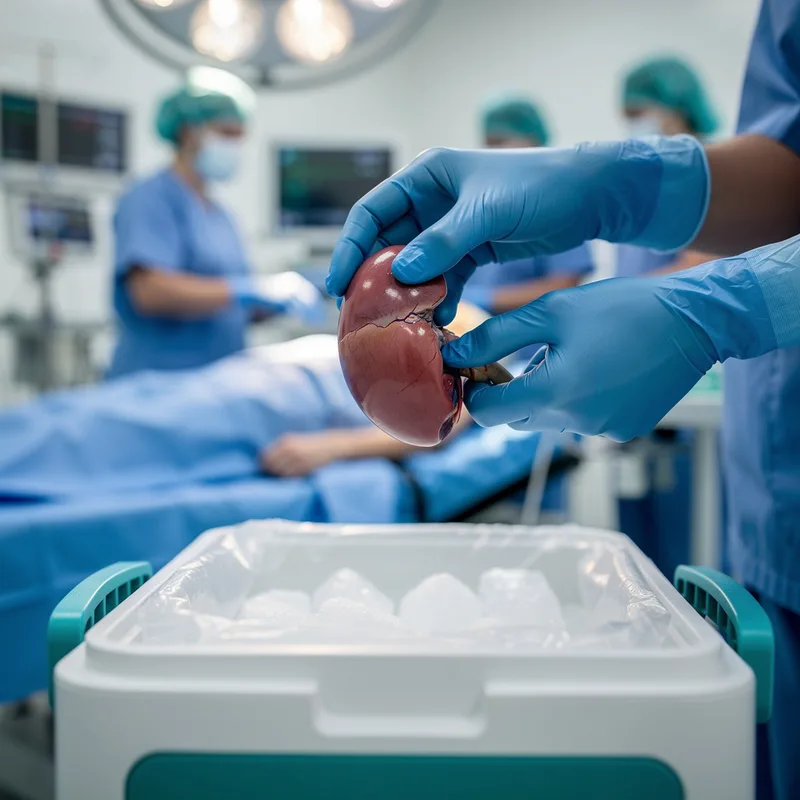
organ transplant
 11
3.6
11
3.6

- noun
- /ˈɔrɡən ˈtrænsplænt/
- Specialized
- A new name is added to the Organ Procurement and Transplant Network's organ transplant waiting list every 10 minutes.
- organ transplant recipients
- solid organ transplant
- need for organ transplants
Loading YouTube…
Watch on YouTubeIf somebody gets a diseased organ like a liver or a heart, right, they, they're, we today in modern medicine have organ transplants.
- If somebody gets a diseased organ like a liver or a heart, right, they, they're, we today in modern medicine have organ transplants.
Examples
-
My mom, who works with neonates, has had at least two patients who were on the organ transplant list.
Blog text (13) -
As a result, there is a long list of people waiting for organ transplants.
Blog text (21) -
Regarding your post, what country would you choose for an organ transplant?
Blog text (20) -
What's the local policy regarding organ transplants?
-
She's in need of multiple organ transplants.
-
There is a waiting list for organ transplants every day; it's a rarity.
Blog text (16) -
The system is based on teams of organ transplant coordinators who are specially trained in the organ donation process.
Academic text (2010) -
Technological developments in recent years have brought about a rapid increase in the number and variety of organ transplants, leading to problems in finding enough organs to meet the need.
Academic text (2010) -
In recent years, bioengineering has advanced to encompass organ transplants and tissue engineering.
Academic text (2002) -
She received an organ transplant to replace her failing liver, giving her a second chance at life.
Synonyms
 302
3.4
302
3.4
A medical operation to move an organ or tissue into another person's body
 14
4.4
14
4.4
An operation that moves an organ or tissue from one person to another to replace a damaged part
 7
3.5
7
3.5
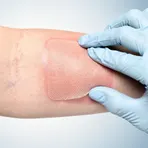
A piece of healthy skin taken from one body part and placed on damaged skin to help it heal
 1
8.1
1
8.1
Moving a person's own tissue or cells to another place in their body
 1
4.2
1
4.2
A surgery that replaces a damaged cornea in the eye with healthy tissue from a donor
 1
9.9
1
9.9
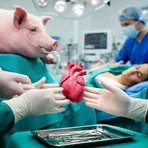
The transplant of an organ or tissue from an animal into a human
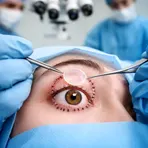
An operation that replaces a damaged clear layer at the front of the eye with healthy donor tissue
How Complex
- Specialized
11
3.6

- Specialized
5
6.4
2
5.4
167
1.0
Surface Forms
Morphology
The meaning of 'organ transplant' is directly and transparently compositional from 'organ' (a body part) + 'transplant' (a surgical transfer), so a learner who knows both words can infer it refers to surgically moving an organ from one person to another. This compound follows a common noun-noun medical naming pattern found across many languages, making it easily understandable at B1 level.
Etymology
Organ transplant comes from the simple idea of taking a healthy organ from one person and using a transplant to put it into another person, like taking a working part from one machine and fitting it into a broken one. So, organ transplant means 'to move an organ from a donor to replace a damaged organ'.