
ordinal
- adjective
- /ˈɔrdənl/
- Specialized
 :
ordinal
:
ordinal
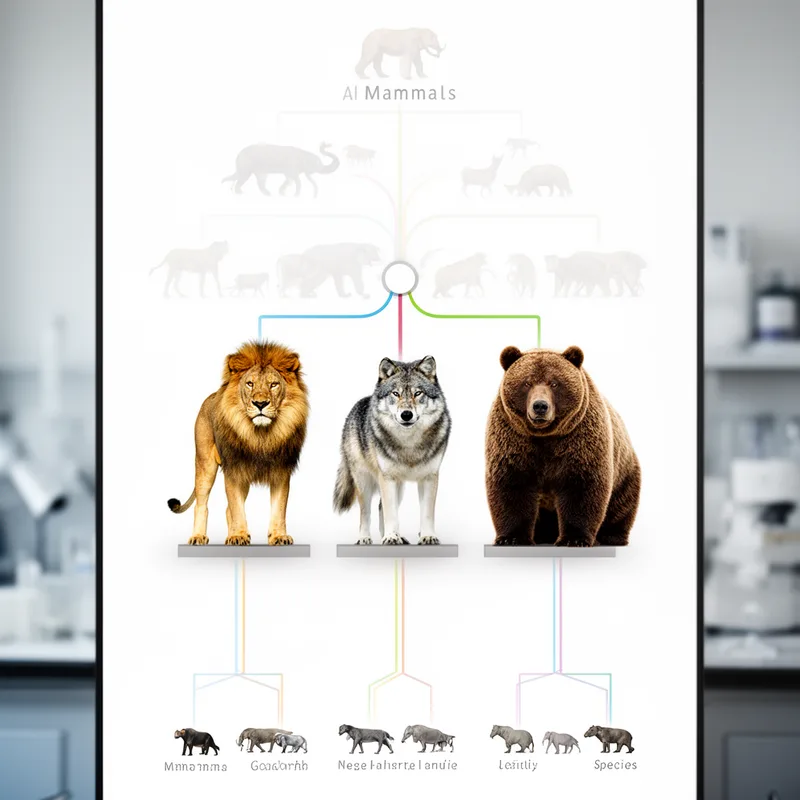
- The ordinal classification of these species places them in the Carnivora order.
Examples
-
Recent studies have led to changes in the ordinal names of several plant groups.
-
In biology, an ordinal rank indicates a higher taxonomic level.
-
Some ordinal distinctions can only be made using genetic analysis in modern taxonomy.
-
The ordinal classification of species helps scientists understand biodiversity.
-
The ordinal classification of animals helps researchers study their evolutionary relationships.
-
Biologists often use ordinal designations to group species that share similar characteristics.
-
Using an ordinal system, scientists can categorize species according to their taxonomic hierarchy.
Compounds


Surface Forms
Morphology
Etymology
Ordinal comes from the Latin word ordo meaning 'order', the same root as the English word order. In biology, calling a group ordinal means it belongs to a particular 'order' in the classification, so the word points to its place in the system.