
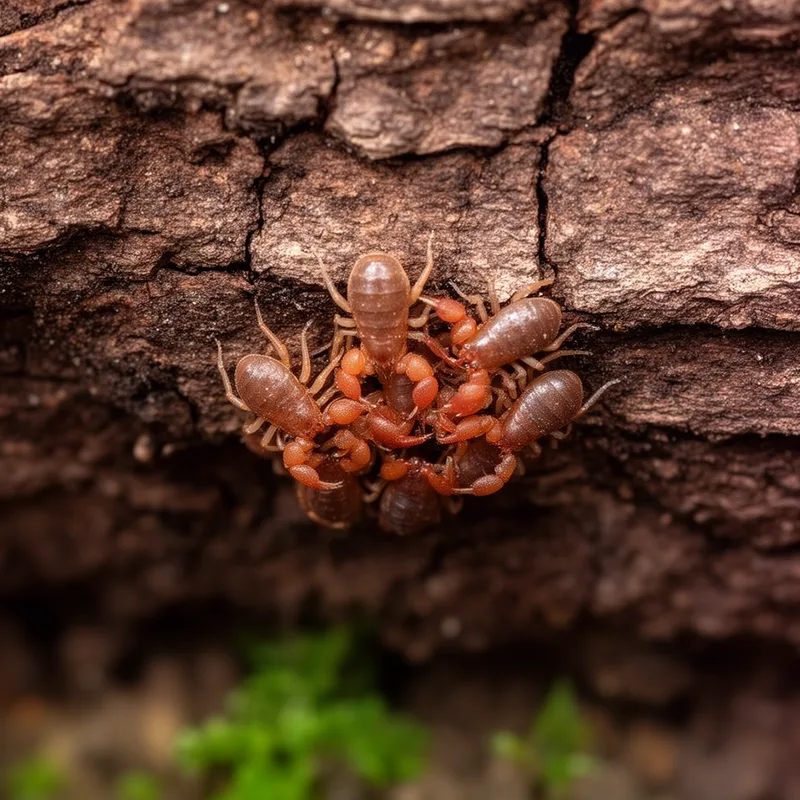
order Pseudoscorpiones
- noun
- /ˈɔrdər ˌsuːdəˈskɔrpiˌoʊniz/
- Specialized
- The order Pseudoscorpiones includes over 3,000 species of tiny, harmless arachnids.
Examples
-
Members of the order Pseudoscorpiones are often found living under bark or in soil.
-
Scientists studied the ecological role of the order Pseudoscorpiones in controlling insect populations.
-
The order Pseudoscorpiones includes many fascinating species.
-
Did you know that the order Pseudoscorpiones is often found in leaf litter?
-
Many scientists are conducting research on the order Pseudoscorpiones to learn more about their behavior.
-
The order Pseudoscorpiones is known for its diverse species that inhabit various ecological niches.
-
In the order Pseudoscorpiones, the members are characterized by their small size and unique morphology.
Synonyms
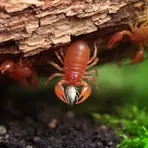
Small animals like tiny scorpions that have no tail or stinger

A group of small spider-like animals with front pincers and no tail or stinger
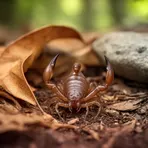
A small animal like a scorpion with front pincers but no tail or stinger
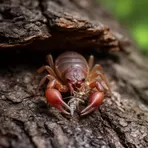
Small animals like spiders with pincers but no stinger
Surface Forms
Morphology
The phrase combines the noun 'order' (a taxonomic grouping) with the taxon name 'Pseudoscorpiones', so its meaning — the taxonomic order containing those arachnids — is directly derivable from the constituents. This is a regular compositional pattern in English scientific naming (and in many other languages), so a B1 learner who knows both words should understand the phrase.
Etymology
Order Pseudoscorpiones comes from two parts: pseudo meaning 'false' and scorpiones meaning 'scorpions'. Because these tiny, spider-like animals look like little scorpions but have no sting, the name literally says 'false scorpions' and helps explain what they are.

