
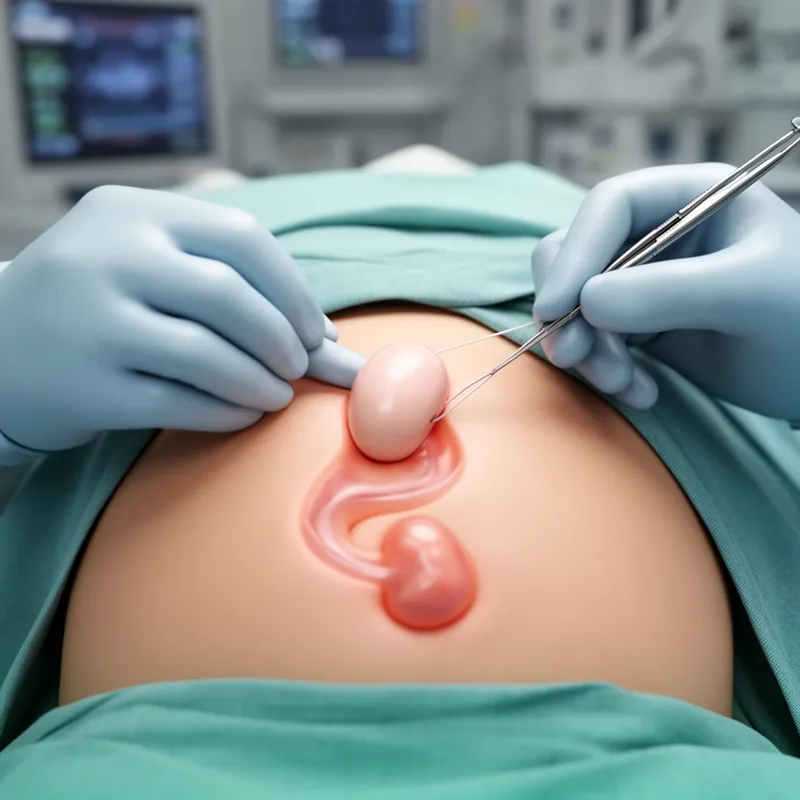
orchiopexy
- noun
- /ˌɔrkiˈoʊpɛksi/
- Specialized
- Recovery from an orchiopexy is usually quick, with most patients returning to normal activities within a week.
Examples
-
After the diagnosis of an undescended testicle, the surgeon recommended an orchiopexy.
-
Many boys undergo orchiopexies before the age of two to correct this condition.
-
The doctor performed an orchiopexy on the patient.
-
After the orchiopexy, the child felt much better.
-
The surgeon explained that an orchiopexy is necessary to ensure the testicle is properly positioned in the scrotum.
-
Parents often worry about the procedure, but an orchiopexy helps to prevent future complications for their child.
-
During the consultation, the doctor detailed the steps of the orchiopexy and answered all of the parents' questions.
How Invasive
- Specialized


 1
9.9
1
9.9

- Specialized
- Specialized
- Specialized
9
4.9
Surface Forms
Morphology
orchiopexy = orchio + pexy
The word is built from medical combining forms 'orchio-' (testis) + '-pexy' (fixation), which are not standalone English words, so an average B1 learner would not be able to derive the meaning from the parts.
Etymology
Orchiopexy comes from the Greek root orchis meaning 'testicle', the same root as orchid, a common flower, and the suffix -pexy meaning 'to fix' or 'to fasten'. So orchiopexy is a surgery to move a testicle that has not moved into the scrotum and fix it there.