
opsin
 1
9.9
1
9.9

- noun
- /ˈɑːpsɪn/
- Specialized
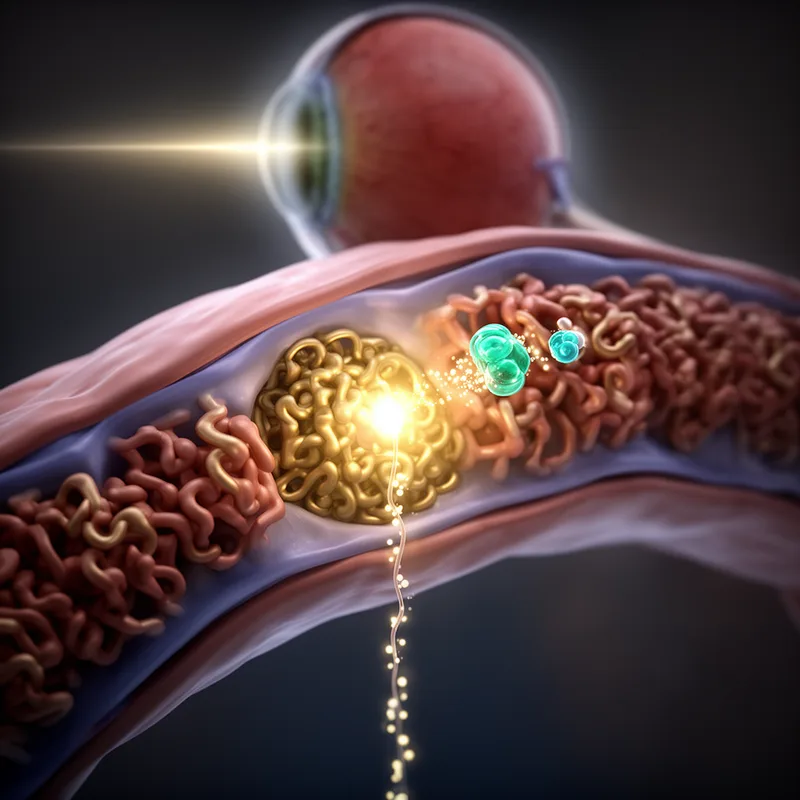
- The opsin proteins in the retina combine with retinal to form rhodopsin, which is essential for vision.
- opsin gene
- violet opsin
- cone opsin
Examples
-
When light strikes, the chromophore absorbs a photon and suddenly causes the opsin to change shape.
Blog text (15) -
Mutations to the genes that encode the opsin proteins can, therefore, alter the wavelengths that an animal can see.
Academic text (2009) -
Visual pigments have two components: a chromophore and an opsin.
Academic text (2009) -
If the opsin remains the same but the chromophore changes, the pigment will alter its sensitivity to light.
Academic text (2009) -
Furthermore, close relatives of the species do have functional violet opsins.
Academic text (2006) -
Fossilization of the opsin gene for violet-sensitive vision is depicted in the diagram.
Academic text (2006) -
Sometime during coelacanth evolution, the green-red opsin gene was lost.
Academic text (2006) -
Moreover, all the relatives of the owl monkey that are active by daylight have an intact violet opsin gene.
Academic text (2006) -
The chromophore, a light-absorbing molecule, sits in a pocket inside the opsin, a protein.
Academic text (2009) -
Nevertheless, modern dolphins still carry the disrupted DNA sequence—a fossil opsin gene—for violet vision in their genome (bottom row).
Academic text (2006)
Surface Forms
Morphology
opsin = ops (opaque) = ops + in
The element 'ops' is a technical combining form and the protein-forming suffix '-in' produces a specialist scientific term not inferable by general learners.
Etymology
Opsin comes from the Greek opsis meaning 'sight', the same root behind optics. In the retina, an opsin is a light-sensitive protein that helps the eye see by turning light into electrical signals.