
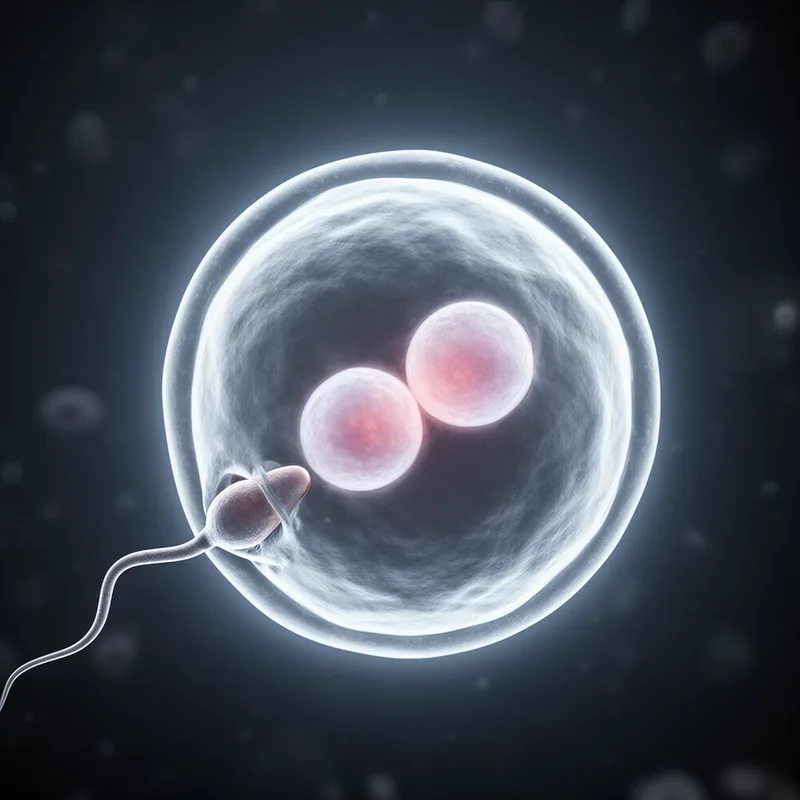
ootid
- noun
- /ˈuːtɪd/
- Specialized
- In mammals, the ootid represents the stage just after sperm entry into the egg.
Examples
-
The ootid undergoes rapid changes upon fertilization, leading to the formation of a zygote.
-
An ootid forms after fertilization.
-
Scientists observed the transformation of the ootid as it developed into an embryo.
-
The ootid is crucial for the development of a new organism.
-
In mammals, the ootid is a vital stage where the egg has just been penetrated by the sperm.
-
The ootid represents a critical point in reproduction before it develops into a zygote.
-
During fertilization, the ootid transforms rapidly, initiating embryonic development.
Surface Forms
Morphology
ootid = egg (opaque) = oo + id
The element 'oo-' is a technical combining form meaning 'egg' that is not recognizable to average learners, and the formation uses specialized scientific morphology rather than productive English suffixation.
Etymology
Ootid comes from the root oo- meaning 'egg', so you can remember it as an 'egg-stage' cell. That's why an ootid is the egg cell right after sperm entry and just before it becomes a zygote.

