
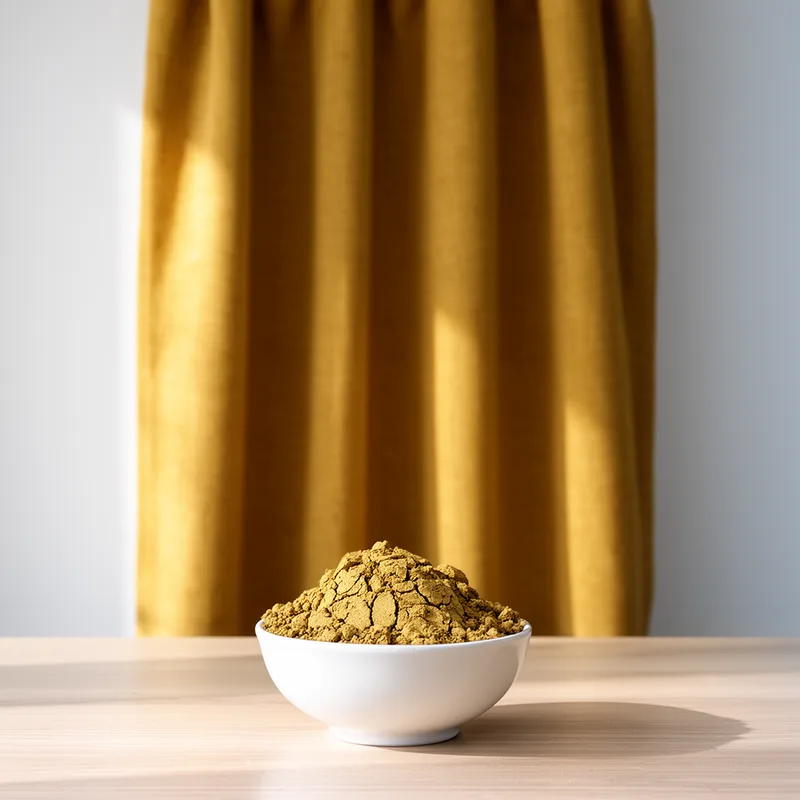
ochry
- adjective
- /ˈɑːkri/
- Under the sunlight, the stone walls looked distinctly ochry against the blue sky.
Examples
-
She chose an ochry fabric for the curtains to brighten the room.
-
The old painting had an ochry background that gave it a warm appearance.
-
The walls were painted in an ochry hue.
-
Is this dress ochrier than the other one?
-
The walls of the room were painted a soft ochry hue that created a warm atmosphere.
-
Her dress was a beautiful shade of ochry that reminded everyone of autumn leaves.
-
The artist chose an ochry tone for the background of his painting to give it a natural look.
Synonyms

 819
1.0
819
1.0

Having the color between green and orange like a lemon

 2
3.6
2
3.6
A little like the color orange
 1
4.0
1
4.0
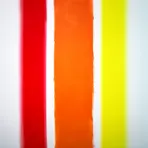
A color that looks a little like orange between red and yellow
 1
1.0
1
1.0
Having the color of a ripe orange


 1
2.0
1
2.0
A brownish yellow color like dry autumn leaves
 1
5.7
1
5.7
A pale yellow-brown color like light leather
 1
1.9
1
1.9
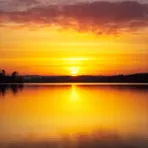
A color between yellow and orange, like a sunset
 1
3.0
1
3.0
A colour between yellow and orange, like a sunset
 1
2.7
1
2.7
A brown color with a touch of orange
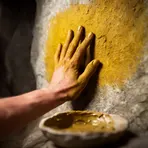
Having a yellow-brown color like dry earth used as paint

Having a yellow color like an egg yolk

Having a yellow color, especially of the skin or eyes

Slightly yellow in color

A color between brown and yellow

A pale brown color with a yellow tint

Having the color of a ripe orange

A light brown color with orange tones
Antonyms

How Brown

Surface Forms
Morphology
ochry = ochre (transparent) = ochre + y
Productive adjective formation from the noun 'ochre' with '-y', meaning 'having the color of ochre', which is directly inferable.
Etymology
Ochry comes from an old Greek word ōkhra, which meant 'pale yellow', and is like the English word ochre, the natural earth pigment. So ochry describes a yellowish color, like the warm color of old paintings or sunlit stone.