

to ocher
- verb
- /ˈoʊkər/
- US
- Ancient people often ochred their pottery for decoration and protection.
Examples
-
The artist ochered the canvas with rich, warm tones.
-
They ochre the walls every spring to refresh the color in the living room.
-
The artist ochred the canvas to give it a warm, earthy tone.
-
She decided to ochre her pottery for a unique finish.
-
The artist ochred the canvas to create a beautiful sunset effect.
-
In ancient times, people ochred their bodies during rituals for spiritual significance.
-
After they ochred the walls, the room felt much warmer and more inviting.
Synonyms
 113
3.2
113
3.2

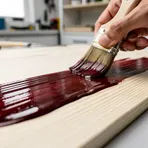
To put color on something to change how it looks
 37
2.2
37
2.2
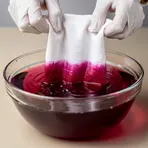
To change the color of something using a coloring liquid or powder


 1
5.1
1
5.1
To add color to something by applying a colored substance or by natural change

To color something red with red powder or paint
Compounds
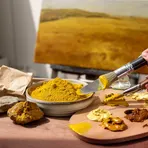
How Stained

Surface Forms
Etymology
Ocher (also spelled ochre) comes from Greek ōkhra, meaning 'pale yellow', because people used that yellow earth to coat and color objects. So to ochre something is simply to stain or paint it with that warm earth pigment.