

occult arts
- noun
- /əˈkʌlt ɑrts/
- Many Renaissance thinkers believed that alchemy and astrology were important aspects of the occult arts.
Examples
-
He studied the occult arts in order to understand the hidden mysteries of the universe.
-
The word Wicca is an ancient English word meaning, "wise ones;" speaking of those who, through initiation into the occult arts, gained a special insight via the demonic spirits contacted.
Blog text (15) -
The community of practitioners gathered to share their knowledge of ancient occult arts, including magic and divination.
Synonyms
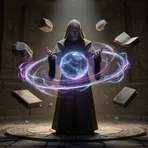
 ∞
3.2
∞
3.2

Power that makes impossible things happen, often in stories or rituals
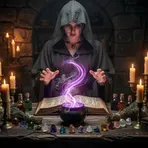 87
7.0
87
7.0
A practice of using magic and spells to help or harm people
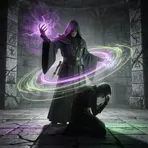 29
9.2
29
9.2
To use magic to control people or events, often to harm
 20
9.8
20
9.8
Beliefs about secret supernatural powers and practices
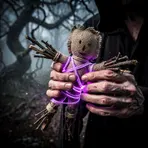 8
9.9
8
9.9
Use of magic to harm or control people
 3
9.1
3
9.1
The use of magic and spells to do strange things
 3
9.9
3
9.9
The study and practice of magic and secret powers
 1
9.9
1
9.9
Secret or special knowledge and ways of doing things that only a small group understands

 1
8.6
1
8.6
Interest in and practice of ceremonies in religion and magic

Knowledge of magic and secret powers
A practice of doing magic using spells and potions
Antonyms

How Supernatural

Surface Forms
Morphology
The meaning is directly compositional: 'occult' (supernatural) modifies 'arts' (practices/skills), yielding 'supernatural practices' which matches the given definition. This adjective-noun combination is transparent and common across languages, so a B1 learner who knows both words would readily infer the MWE's meaning.
Etymology
Occult arts comes from the word occult meaning 'hidden' and arts meaning 'skills', so it creates the image of secret methods used to work with forces people could not see. That's why it now means 'supernatural practices' like magic, alchemy, or trying to read the future.